Beyond the Instagram Photos: What a Bali Holiday Is Really Like
161 Views
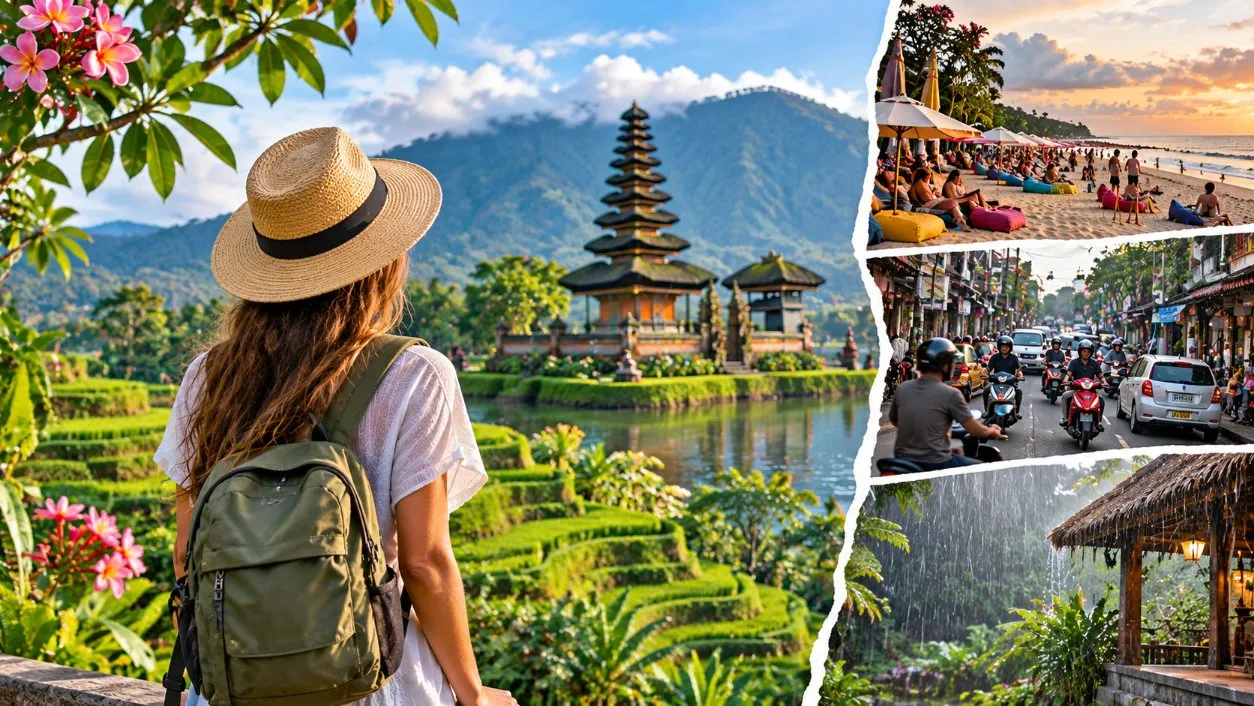
Scroll through Instagram for a few minutes and Bali appears to be an endless collection of floating breakfasts, infinity pools, deserted beaches and perfectly positioned swings overlooking tropical forests.
These places and experiences exist, but social media rarely captures what happens between the photographs. It doesn't show the traffic on the way to a famous temple, the sudden tropical downpour or the small family-run restaurant that turns out to serve the best meal of the holiday.
For many visitors, the most memorable parts of Bali are the ones they never saw on Instagram. Knowing what to expect beyond the carefully edited images can help travellers appreciate the island for what it actually offers.
Famous Attractions Don't Always Look Like Their Photos
Some of Bali's most photographed locations have become attractions largely because of their popularity on social media.
The Gates of Heaven at Lempuyang Temple are a well-known example. Photographs appear to show visitors standing between traditional temple gates above a perfectly reflective pool. In reality, the reflection is typically created using a mirror held beneath the camera.
Visitors may also encounter lengthy queues to take their own version of the photograph.
Similar situations can be found at popular waterfalls, rice terraces and scenic viewpoints. A location that appears peaceful and secluded online might be surrounded by other visitors waiting for their turn.
That doesn't mean these places aren't worth visiting. Many are genuinely beautiful, but approaching them as cultural or natural attractions rather than photography opportunities can make the experience more rewarding.
Everyday Life Is Part of Bali's Appeal
One of the things social media often overlooks is how closely tourism and everyday Balinese life exist alongside each other.
Walk through a neighbourhood in Seminyak or Sanur early in the morning and you'll see shopkeepers preparing for the day, families placing small religious offerings outside their homes and locals stopping for breakfast.
Traditional ceremonies remain an important part of Balinese life, even in heavily developed tourist areas. Visitors may encounter colourful processions, streets temporarily closed for religious events or neighbourhood temples decorated for special occasions.
These experiences offer a different perspective on the island. Bali is not simply a tropical resort destination built around international visitors. It has its own cultural identity, religious traditions and community life.
Taking the time to observe and respectfully engage with these traditions can add far more depth to a holiday than visiting another fashionable beach club.
Luxury Can Be Surprisingly Low-Key
Social media tends to present luxury travel through extravagant experiences. In Bali, that might mean elaborate flower baths, expensive beach clubs or breakfasts served on floating trays.
However, some of the island's most enjoyable luxuries are considerably simpler.
Having breakfast without rushing, swimming in a private pool whenever you feel like it or spending an afternoon reading in a tropical garden can be just as appealing as a carefully organised luxury experience.
This is one reason private villas are an attractive accommodation option in Bali. Properties such as My Villas in Bali in Seminyak offer private pools, spacious living areas and tropical surroundings while keeping guests close to restaurants, shops and beaches.
Rather than constantly looking for the next impressive location, travellers can enjoy the comfort and privacy of their accommodation without having to organise anything special.
Sometimes, the best part of a Bali holiday is simply having nowhere you need to be.
Getting Around Takes Longer Than You Might Expect
Bali looks relatively small on a map, which can give first-time visitors the impression that they can easily explore several different areas in one day.
The reality is more complicated. Narrow roads, busy intersections, construction and the sheer volume of traffic around popular tourist areas can make short journeys surprisingly slow.
Travelling between Seminyak, Canggu, Ubud and Uluwatu requires more planning than the distances alone might suggest.
A few practical adjustments can make a significant difference:
- Group sightseeing activities by geographical area.
- Leave early when visiting popular attractions.
- Avoid scheduling activities too closely together.
- Choose accommodation near the places you expect to visit most frequently.
- Consider hiring a private driver for longer excursions.
It is generally better to explore two or three places properly than to spend an entire day travelling between six different attractions.
The Best Food Isn't Always the Most Photogenic
Bali has developed an impressive international dining scene. Visitors can find everything from speciality coffee shops and vegan cafés to fine dining restaurants run by internationally recognised chefs.
Yet some of the island's most satisfying meals come from modest local eateries known as warungs.
Traditional dishes such as nasi campur, sate lilit, ayam betutu and babi guling offer an opportunity to experience Balinese and Indonesian cooking beyond the international menus found in tourist areas.
A small restaurant with plastic chairs and a handwritten menu might not attract thousands of likes on Instagram, but it could easily become a favourite holiday discovery.
Visiting local markets, trying unfamiliar dishes and asking accommodation staff where they like to eat are all good ways to discover places that rarely appear in travel influencers' recommendations.
Tropical Weather Doesn't Follow Your Itinerary
Photographs of Bali almost always feature bright sunshine, blue skies and calm swimming pools. The island's tropical climate, however, means that weather conditions can change quickly.
The wet season, generally running from November to March, brings higher humidity and more frequent rainfall. Even during the drier months, occasional showers are possible.
Rain doesn't necessarily mean losing an entire holiday day. Visitors can spend time at a spa, join a Balinese cooking class, explore galleries, enjoy a long lunch or simply relax at their accommodation.
The key is to avoid building an itinerary that depends entirely on perfect weather. Leaving some flexibility makes it easier to enjoy the island regardless of the conditions.
The tropical greenery that makes Bali so visually appealing is, after all, partly a result of that rainfall.
Not Every Beach Is a Tropical Paradise
Bali's beaches vary considerably, something that is not always obvious from social media.
Some have golden sand and relatively gentle water, while others feature dark volcanic sand, powerful waves or rocky coastlines. Several of the beautiful beaches around Uluwatu require visitors to navigate steep staircases.
Seasonal currents and weather conditions can also affect water quality and the amount of debris washed ashore.
Choosing a beach based on the experience you want is more useful than choosing one based purely on photographs.
Seminyak is excellent for long beach walks, sunset drinks and beachfront dining. Sanur generally offers calmer conditions, while the Bukit Peninsula is known for its dramatic coastal scenery and surfing opportunities.
Always pay attention to local swimming warnings, as even attractive beaches can have dangerous currents.
The Most Memorable Moments Are Often Unplanned
Ask someone about their favourite memories of Bali and the answer might have little to do with its most famous attractions.
It could be a conversation with a local driver, an unexpected restaurant discovery, a quiet morning on the beach or watching a traditional ceremony while walking through a neighbourhood.
These moments are difficult to plan and even harder to reproduce from someone else's travel itinerary.
Social media can be a useful source of inspiration, but treating it as a checklist risks turning a holiday into a series of tasks. There is no need to visit every trending café, photograph every famous viewpoint or recreate the experiences of other travellers.
Bali has enough variety for visitors to create their own version of the island.
The photographs will eventually become another collection of images on a phone. What tends to stay with people much longer is how they felt while they were there.