Da Vinci Robotic Surgery: Benefits, Procedure, Recovery, and What Patients Should Know
442 Views
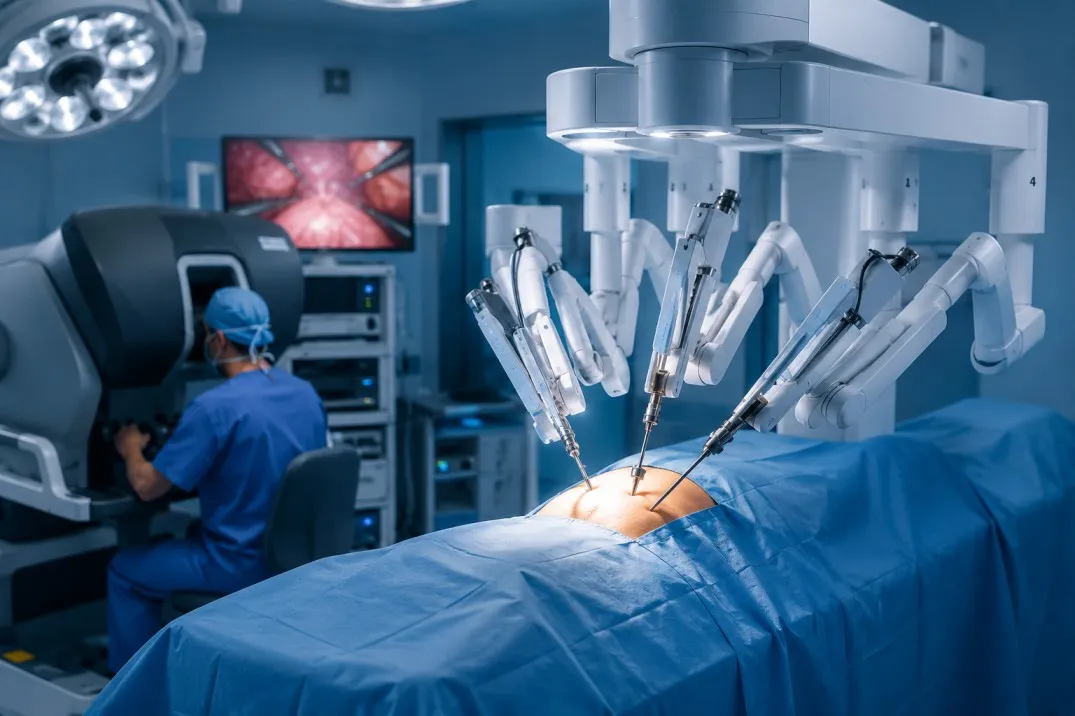
Modern surgical technology has revolutionized patient care by making many procedures less invasive, more precise, and associated with faster recovery times. One of the most advanced innovations in minimally invasive surgery is Da Vinci Robotic Surgery, which combines robotic technology with the expertise of highly trained surgeons. Contrary to popular belief, the robotic system never performs surgery independently—it is completely controlled by the surgeon throughout the procedure.
Leading healthcare providers such as Liv Hospital utilize advanced robotic surgical systems to deliver high-quality care across multiple specialties, including gynecology, urology, general surgery, and thoracic surgery.
What Is Da Vinci Robotic Surgery?
Da Vinci Robotic Surgery is an advanced minimally invasive surgical approach that allows surgeons to perform complex procedures with greater precision, flexibility, and control than conventional techniques. The system features robotic arms equipped with miniature surgical instruments and a high-definition 3D camera that provides a magnified view of the surgical field.
Every movement of the robotic instruments is guided by the surgeon using an advanced console, ensuring exceptional accuracy while preserving healthy surrounding tissues.
How Does the Da Vinci Surgical System Work?
The Da Vinci Surgical System includes several integrated components that work together during surgery:
- Surgeon Console: The surgeon controls every movement while viewing the operation through a high-definition 3D display.
- Patient Cart: Robotic arms hold miniature instruments and a tiny camera inserted through small incisions.
- Vision System: Delivers magnified three-dimensional images that improve visibility during delicate procedures.
The robotic instruments provide a range of motion that exceeds the flexibility of the human wrist, enabling precise surgical movements even in difficult-to-reach areas.
Benefits of Da Vinci Robotic Surgery
Robotic-assisted surgery offers several advantages compared with traditional open surgery.
Smaller Incisions
Only a few small incisions are typically required, resulting in less tissue damage and smaller scars.
Enhanced Precision
The robotic system translates the surgeon's hand movements into highly accurate micro-movements while filtering out natural hand tremors.
Reduced Blood Loss
Precise surgical techniques help minimize bleeding during many procedures, potentially reducing the need for blood transfusions.
Less Postoperative Pain
Smaller incisions generally cause less discomfort after surgery and may reduce reliance on pain medications.
Faster Recovery
Many patients experience shorter hospital stays and return to normal activities sooner compared with traditional surgery.
Lower Risk of Infection
Smaller wounds reduce exposure to bacteria and can lower the likelihood of surgical site infections.
Common Procedures Performed Using Da Vinci Technology
Robotic-assisted surgery is widely used in numerous medical specialties.
Gynecological Surgery
- Hysterectomy
- Myomectomy
- Endometriosis surgery
- Ovarian cyst removal
- Pelvic organ prolapse repair
- Treatment of gynecologic cancers
Urological Surgery
- Prostate cancer surgery
- Kidney surgery
- Bladder procedures
General Surgery
- Gallbladder removal
- Hernia repair
- Colon surgery
- Rectal surgery
Thoracic Surgery
- Lung surgery
- Mediastinal procedures
Selected Cardiac Procedures
Certain heart surgeries may also be performed using robotic-assisted techniques depending on the patient's condition.
Who Is a Candidate for Da Vinci Robotic Surgery?
Not every patient is an ideal candidate for robotic surgery. Suitability depends on factors such as:
- Overall health
- Type of medical condition
- Previous surgeries
- Body anatomy
- Surgical complexity
A thorough evaluation by an experienced surgeon determines the most appropriate treatment approach.
What Happens During the Procedure?
Patients receive general anesthesia before surgery begins.
The surgeon creates several small incisions through which robotic instruments and a high-definition camera are inserted. Sitting at the console, the surgeon controls every movement of the robotic arms with exceptional precision while viewing a magnified 3D image of the surgical site.
This technology allows complex procedures to be performed with minimal disruption to healthy tissues.
Recovery After Robotic Surgery
Recovery varies depending on the specific procedure and the patient's health.
Many patients benefit from:
- Shorter hospitalization
- Reduced postoperative discomfort
- Earlier mobility
- Faster return to work
- Smaller scars
- Improved overall recovery experience
Patients should carefully follow all postoperative instructions regarding medications, wound care, physical activity, and follow-up visits.
Are There Any Risks?
Like all surgical procedures, robotic-assisted surgery carries potential risks, including:
- Bleeding
- Infection
- Blood clots
- Reactions to anesthesia
- Procedure-specific complications
Although robotic technology enhances surgical precision, successful outcomes continue to depend on the experience of the surgical team and careful patient selection.
Why Choose Da Vinci Robotic Surgery?
Da Vinci Robotic Surgery represents a major advancement in minimally invasive medicine. The combination of experienced surgeons and sophisticated robotic technology allows patients to benefit from greater precision, reduced pain, smaller incisions, faster recovery, and shorter hospital stays.
Healthcare providers such as Liv Hospital offer advanced robotic surgery programs supported by multidisciplinary specialists, state-of-the-art operating rooms, and personalized treatment plans designed to deliver excellent patient outcomes.
Frequently Asked Questions
Is Da Vinci Robotic Surgery fully automated?
No. The robotic system does not make decisions or perform surgery independently. Every movement is completely controlled by the surgeon.
Is robotic surgery safer than traditional surgery?
For many patients, robotic-assisted surgery offers advantages such as improved precision, smaller incisions, and quicker recovery. However, the best surgical approach depends on each patient's medical condition.
How long does recovery take?
Recovery varies according to the type of surgery performed. Many patients recover more quickly than after traditional open surgery, although complete healing differs from person to person.
Will robotic surgery leave large scars?
Most robotic procedures require only small incisions, which usually result in minimal scarring compared with conventional open surgery.