Energy-Efficient Roofing Choices to Lower Your Utility Bills
By Abdus Salam
180 Views
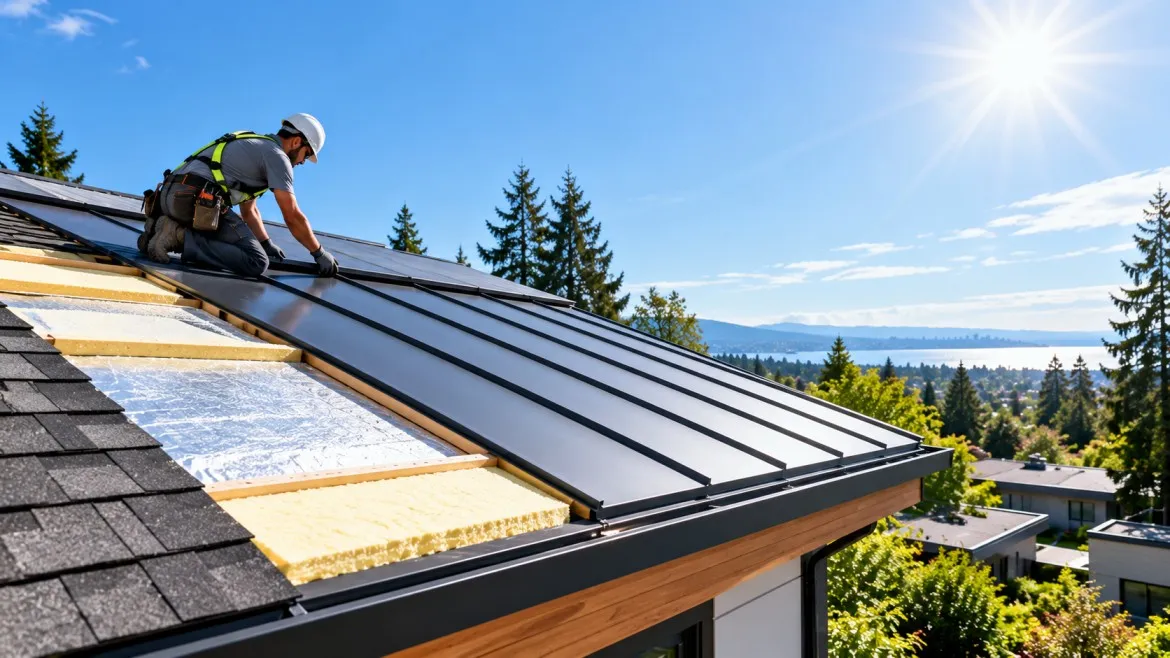
Energy efficiency is a primary focus for modern homeowners and commercial property owners seeking to reduce operational costs, enhance indoor comfort, and lower their carbon footprint. While insulation upgrades, high-efficiency HVAC units, and smart thermostats receive significant attention, the roofing assembly serves as the building's first defense against solar heat gain and thermal loss. A roof is continuously exposed to direct sunlight, absorbing radiant energy and transferring heat downward into attic spaces and living quarters.
Investing in energy-efficient roofing materials and cool roofing technologies creates an effective thermal barrier that stabilizes interior temperatures and significantly reduces monthly energy expenditures.
The Science of Cool Roofing and Thermal Performance
Traditional roofing materials, particularly standard dark asphalt shingles absorb up to ninety percent of incoming solar radiation. During peak summer months, surface temperatures on dark roofs can exceed 150 degrees Fahrenheit. This extreme surface heat radiates downward into the building interior, forcing air conditioning systems to run continuously to maintain a comfortable environment.
Energy-efficient roofing relies on two primary physical properties to counteract solar heat gain:
- Solar Reflectance (SR): The ability of a roofing material to reflect sunlight—including ultraviolet, visible, and infrared wavelengths—away from the structure rather than absorbing it as heat.
- Thermal Emittance (TE): The ability of a surface to release absorbed heat back into the surrounding atmosphere rather than retaining and transferring it into the building deck below.
Materials that exhibit both high solar reflectance and high thermal emittance are categorized as "cool roofs." By keeping roof surface temperatures significantly cooler, these systems lower attic temperatures, lessen mechanical strain on cooling systems, and help mitigate urban heat island effects.
Top Energy-Efficient Roofing Materials
Selecting the right energy-efficient roofing option depends on building architecture, local climate conditions, structural load capacity, and budget considerations.
| Roofing Material Type | Solar Reflectance Profile | Thermal Benefits | Optimal Climate / Application |
|---|---|---|---|
| Cool Asphalt Shingles | Advanced solar-reflective granules | Reduces surface heat absorption by reflecting infrared light | Residential homes in mixed and warm climate zones |
| Metal Roofing (Standing Seam) | Highly reflective painted or mill finishes | Re-emits absorbed heat rapidly and cools quickly after sunset | Residential and commercial buildings across all climate zones |
| TPO Single-Ply Membrane | Bright white thermoplastic surface | Reflects up to 80%+ of solar radiation with heat-welded seams | Low-slope and flat commercial or residential roofs |
| Tile & Slate Systems | Natural thermal mass and air gap venting | Retards heat transfer and provides natural under-tile air circulation | Steep-sloped residential roofs in warm or Mediterranean climates |
Cool-Color Asphalt Shingles
For classic residential designs, modern cool asphalt shingles utilize specialized coated granules engineered to reflect invisible solar heat while retaining rich, traditional colors. These shingles allow property owners to maintain traditional dark charcoal, timber, or slate aesthetics while enjoying improved energy performance compared to standard asphalt products.
Reflective Metal Roofing
Standing-seam metal roofing systems offer exceptional long-term energy efficiency. Coated with specialized cool-roof fluoropolymer finishes, metal panels reflect a high percentage of solar energy and release absorbed heat quickly when direct sunlight recedes. Furthermore, metal roofing can easily accommodate above-sheathing ventilation (ASV), creating a continuous air gap between the metal panels and the roof deck that acts as an additional thermal buffer.
Single-Ply Membranes for Flat and Low-Slope Roofs
For commercial facilities and modern low-slope structures, white single-ply membranes such as Thermoplastic Polyolefin (TPO) represent an industry standard for energy management. TPO's white surface reflects the majority of the solar spectrum, keeping rooftop mechanical units running efficiently and reducing interior cooling loads on upper floors.
Property managers and homeowners reviewing upgrades can explore specialized options for energy efficient roofing to evaluate material ratings, tax credit eligibility, and long-term cost savings.
Additional Components That Enhance Roof Energy Efficiency
Achieving maximum thermal efficiency requires looking beyond the outer roofing surface to the entire roof assembly.
- Balanced Attic Ventilation: Continuous airflow through soffit and ridge vents prevents heat from building up in the attic cavity during summer and removes excessive moisture during winter.
- High-R-Value Above-Deck Insulation: Rigid foam insulation boards (such as Polyisocyanurate) installed above the roof deck eliminate thermal bridging and create an airtight continuous insulating layer.
- Radiant Barrier Underlayments: Foil-faced radiant barriers installed beneath shingles reflect up to ninety-seven percent of radiant heat away from the attic floor.
By combining reflective surface materials, robust insulation, and proper attic ventilation, property owners can transform their roof into an active energy-saving asset. Investing in cool roofing technologies not only yields immediate utility bill savings but also extends the operational lifespan of both the roof assembly and HVAC equipment.