The Complete Business Guide to Google AdWords
By Abdus Salam
395 Views
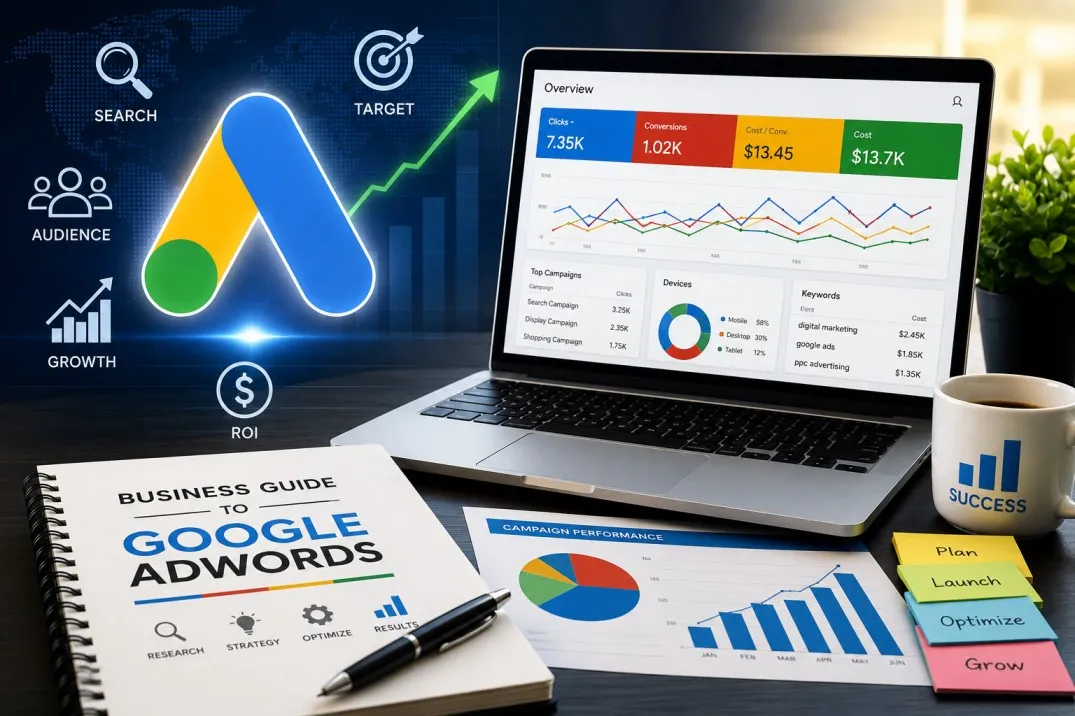
In today's competitive digital marketplace, simply having a website isn't enough. Businesses need a reliable way to attract potential customers, generate qualified leads, and drive sales. While there are countless marketing channels available, few have had the lasting impact of Google AdWords.
For years, Google AdWords has helped businesses of all sizes connect with people actively searching for products and services online. Unlike many advertising methods that interrupt users while they browse, Google AdWords places your business in front of customers who are already looking for solutions.
Whether you're a small local business or a growing enterprise, understanding how Google AdWords works can help you make smarter marketing decisions and achieve better results.
What Is Google AdWords?
Google AdWords, now known as Google Ads, is Google's online advertising platform that allows businesses to display ads across Google's search engine and partner networks.
The platform operates primarily on a pay-per-click (PPC) model, meaning advertisers generally pay when someone clicks on their advertisement.
This approach offers several advantages:
- Immediate visibility
- Highly targeted advertising
- Flexible budgeting
- Measurable performance
- Scalable growth opportunities
Businesses can create campaigns designed to reach potential customers at different stages of the buying journey.
Why Google AdWords Remains So Effective
Let's be honest, online advertising platforms come and go.
Yet Google AdWords continues to remain one of the most effective digital marketing channels available.
The reason is simple.
When people use Google, they often have a specific intent. They may be looking to purchase a product, hire a service provider, compare options, or solve a problem.
Google AdWords allows businesses to appear in front of these users at the exact moment they are searching.
This level of intent-based targeting often leads to higher conversion rates compared to many other forms of advertising.
How Google AdWords Works
At its core, Google AdWords operates through an auction system.
Advertisers bid on keywords related to their products or services.
For example, a plumbing company may target searches such as:
- Emergency plumber
- Blocked drain repair
- Hot water system installation
When users search for those terms, Google evaluates multiple factors before deciding which ads appear.
These factors include:
Bid Amount
The maximum amount an advertiser is willing to pay for a click.
Quality Score
Google assesses the relevance and quality of advertisements, keywords, and landing pages.
Ad Relevance
Ads must closely match user intent and search queries.
Landing Page Experience
The destination page should provide useful and relevant information.
The combination of these factors helps determine ad placement and cost.
Benefits of Google AdWords for Businesses
Businesses invest in Google AdWords for many reasons.
Immediate Visibility
Search engine optimisation takes time.
Google AdWords can place your business at the top of search results almost immediately.
Highly Targeted Traffic
Ads can target specific:
- Keywords
- Locations
- Devices
- Demographics
- Audience interests
This precision helps attract more qualified visitors.
Flexible Budgets
Businesses can control daily spending and adjust budgets based on performance.
Measurable Results
Every click, impression, conversion, and cost can be tracked.
This level of transparency makes it easier to evaluate return on investment.
Scalability
Successful campaigns can be expanded as business goals evolve.
Understanding Keyword Targeting
Keywords form the foundation of most Google AdWords campaigns.
Choosing the right keywords can significantly influence campaign performance.
Effective keywords typically:
- Match customer intent
- Reflect buying behaviour
- Align with business goals
Keyword categories often include:
Broad Match
Allows ads to appear for a wide range of related searches.
Phrase Match
Targets searches that contain a specific phrase.
Exact Match
Provides greater control by targeting highly specific searches.
Negative Keywords
Prevent ads from appearing for irrelevant searches.
Proper keyword selection helps improve efficiency and reduce wasted spending.
Creating Effective Ad Copy
Even the best keyword strategy requires compelling advertisements.
Strong ad copy should:
- Address customer needs
- Highlight unique benefits
- Include clear calls to action
- Build trust and credibility
For example, rather than focusing solely on features, successful ads often emphasise outcomes and solutions.
The goal is to encourage users to click while setting accurate expectations about what they will find after visiting the website.
The Importance of Landing Pages
A common mistake businesses make is directing ad traffic to generic website pages.
Successful campaigns often use dedicated landing pages designed specifically for the advertisement.
Effective landing pages typically include:
- Relevant messaging
- Clear headlines
- Strong calls to action
- Fast loading speeds
- Mobile-friendly design
Google also considers landing page quality when determining ad performance.
A better user experience can improve both conversion rates and advertising efficiency.
Common Google AdWords Campaign Types
The platform offers several campaign options.
Search Campaigns
Text ads appear within Google search results.
These campaigns are often ideal for generating leads and sales.
Display Campaigns
Visual advertisements appear across websites within Google's network.
Shopping Campaigns
Product listings display directly within search results.
Video Campaigns
Advertisements appear on YouTube and other video platforms.
Remarketing Campaigns
Ads target users who have previously visited your website.
Each campaign type serves different marketing objectives.
Why Conversion Tracking Matters
Running advertisements without tracking results is like driving without a destination.
Conversion tracking allows businesses to measure actions such as:
- Form submissions
- Phone calls
- Online purchases
- Appointment bookings
- Newsletter sign-ups
Tracking helps identify which campaigns, keywords, and ads generate the best outcomes.
This information allows advertisers to optimise performance continuously.
Common Mistakes Businesses Make
Even experienced marketers can make costly mistakes.
Some of the most common include:
Targeting Too Broadly
Broad targeting often attracts irrelevant traffic.
Ignoring Negative Keywords
Without negative keywords, budgets can be wasted on unqualified clicks.
Weak Landing Pages
Poor user experiences reduce conversion rates.
Failing to Track Conversions
Businesses cannot improve what they do not measure.
Neglecting Ongoing Optimisation
Google AdWords requires regular monitoring and adjustments.
Successful campaigns evolve based on data and performance insights.
The Importance of Professional Campaign Management
Many businesses attempt to manage campaigns independently.
While this may work initially, professional management often produces stronger results.
Experienced specialists understand:
- Keyword research
- Bid strategies
- Audience targeting
- Ad testing
- Conversion optimisation
- Budget management
Professional oversight can help reduce wasted spending while improving overall performance.
Many businesses choose to work with experts in Google AdWords to maximise campaign effectiveness and achieve better returns on their advertising investment.
How Google AdWords Supports Business Growth
One of the biggest advantages of Google AdWords is its ability to support growth at virtually every stage of business development.
Start-ups use it to generate initial visibility.
Established businesses use it to increase market share.
Large organisations use it to scale campaigns across multiple markets.
Regardless of size, the platform provides opportunities to:
- Increase website traffic
- Generate qualified leads
- Improve brand awareness
- Drive sales growth
- Expand into new markets
When managed effectively, Google AdWords can become a valuable long-term marketing asset.
Future Trends in Google AdWords
Digital advertising continues to evolve.
Modern campaigns increasingly incorporate:
- Artificial intelligence
- Automated bidding
- Audience-based targeting
- Enhanced analytics
- Machine learning optimisation
Businesses that stay informed about these developments often gain competitive advantages.
The core principle remains unchanged, however: connecting businesses with people actively searching for solutions.
Conclusion
Google AdWords remains one of the most powerful and effective digital advertising platforms available today. Its ability to connect businesses with high-intent customers, provide measurable results, and support scalable growth makes it an essential tool for organisations seeking online success.
Whether you're launching your first campaign or looking to improve existing advertising efforts, understanding the fundamentals of Google AdWords is crucial. From keyword selection and ad creation to conversion tracking and optimisation, every element plays a role in achieving stronger outcomes.
For businesses committed to increasing visibility, generating leads, and driving revenue, Google AdWords continues to be a proven marketing solution capable of delivering meaningful results.
Frequently Asked Questions
Is Google AdWords the same as Google Ads?
Yes. Google AdWords was rebranded as Google Ads, but many businesses still use the original name.
How much does Google AdWords cost?
Costs vary depending on industry competition, keyword demand, targeting settings, and campaign objectives.
How quickly can I see results from Google AdWords?
Many campaigns begin generating traffic almost immediately after launch, although optimisation is often needed to maximise results.
Is Google AdWords suitable for small businesses?
Absolutely. Flexible budgeting options make the platform accessible to businesses of all sizes.
What is a Quality Score?
Quality Score is Google's rating of ad relevance, keyword quality, and landing page experience. Higher scores can improve performance and reduce costs.
Do Google AdWords campaigns require ongoing management?
Yes. Regular monitoring, testing, and optimisation are important for maintaining strong campaign performance and improving return on investment.