How Rideshare Drivers Can Manage Emergency Expenses Between Paydays
1596 Views
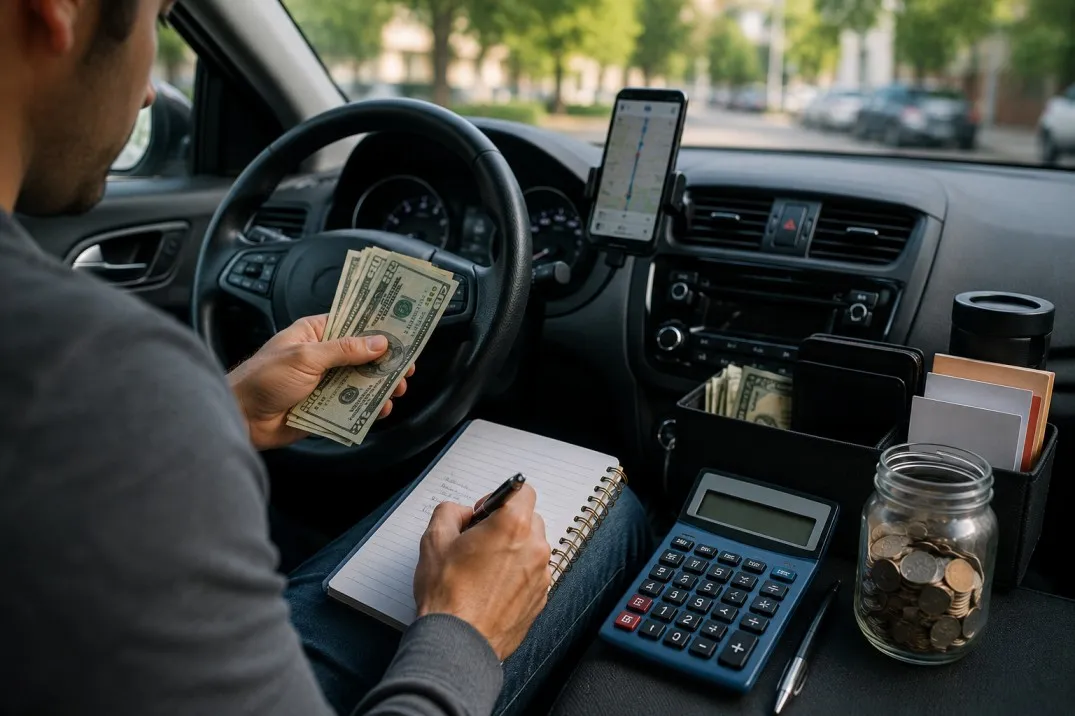
Picture this. You're halfway through a Friday night shift, the app's finally busy, and then your check engine light flickers on. Or maybe it's not the car at all, it's a hospital bill, a burst pipe at home, or your kid's school asking for fees you weren't expecting. If you drive for a living, you already know how these moments hit differently. There's no sick pay to fall back on, no manager to ask for an advance, just you, your car, and whatever's sitting in your bank account.
Let's be honest, this is one of the trickiest parts of gig work. Rideshare driving gives you freedom, sure, but it also strips away the safety net that a traditional job provides. When an emergency lands between paydays, it can feel like the ground's shifted under your feet. The good news? There are practical, sensible ways to handle these gaps without spiralling into debt you'll regret later.
Why Rideshare Income Makes Emergencies Trickier
Unlike a salaried role where money lands on the same date every month, rideshare earnings ebb and flow. One week you're clearing more than you expected because of surge pricing and a few late-night airport runs. The next week, bookings dry up, your car needs a service, and suddenly your income's barely covering petrol.
This unpredictability is exactly why emergency expenses hit rideshare drivers harder than most. You're not just managing a bill, you're managing a bill on top of income you can't fully predict. And to be fair, that's a genuinely stressful position to be in, especially when your car is both your workplace and your only way of earning.
Build a Small Buffer, Even If It's Slow Going
You've probably heard the advice to save three to six months of expenses. Honestly? For most rideshare drivers, that target feels miles away, and chasing it too hard can actually put you off saving altogether.
Start smaller. Even putting aside £10 or £20 after a good shift adds up quicker than you'd think. The trick is treating it like a bill you owe yourself, not an afterthought. Some drivers set up a separate account specifically for this, so the money's out of sight and harder to dip into for everyday spending.
Believe it or not, having even a modest buffer, say £200 or £300, can be the difference between a stressful week and a genuinely difficult one. It won't solve every emergency expense, but it takes the edge off.
Know Your Options Before You Need Them
Here's the thing about financial emergencies: figuring out your options while you're panicking is never ideal. It's far better to understand what's available to you before you're actually in the thick of it.
Earned Wage Access Apps
Several platforms now let gig workers access a portion of what they've already earned before the official payout date. This isn't a loan in the traditional sense, it's your own money, just released a bit earlier. Fees vary, so it's worth comparing a couple before committing to one.
Credit Unions Over High-Interest Lenders
If you do need to borrow, credit unions tend to offer far friendlier terms than payday lenders or high-interest credit cards. The application process might take a touch longer, but the savings on interest are usually worth the wait.
That said, sometimes a repair or bill simply can't wait for a lengthy approval process, and that's when it helps to know your options. For drivers who need cash quickly and can't afford to wait around, looking into loans for lyft drivers can be a practical short-term fix, provided you go in with a clear repayment plan and don't lean on it as a regular habit.
Rideshare Company Support Programmes
Some platforms offer limited emergency assistance funds or partnerships with financial wellness services. It's not widely advertised, so it's worth digging through your driver app or asking in official forums whether anything like this exists for your platform.
Keep a Realistic Budget That Accounts for the Unpredictable
A lot of drivers budget based on their best weeks, which, let's face it, sets you up for disappointment. Instead, try averaging your last three months of earnings and budgeting off the lower end of that range. Anything you earn above it becomes a bonus that can go straight into savings or towards paying down debt.
This approach might feel a bit conservative at first, kind of like you're underselling your own potential. But it actually gives you breathing room. When emergency expenses do pop up, you're not caught completely off guard because you were never relying on your best-case income to cover your basic costs anyway.
Protect Your Car, Because It's Your Livelihood
Ever wondered why so many rideshare drivers get caught out by car repairs specifically? It's because the car isn't just a vehicle, it's the entire business. When it breaks down, your income stops too, which turns a mechanical problem into a financial emergency almost overnight.
Regular maintenance, even the boring stuff like oil changes and tyre checks, genuinely reduces the odds of a sudden costly breakdown. Setting aside a small monthly amount specifically for vehicle upkeep can soften the blow when something does go wrong. Some drivers also look into gap insurance or mechanical breakdown cover designed for high-mileage vehicles, since standard policies don't always account for the sheer number of miles a rideshare car clocks up.
Talk to Someone Before Debt Becomes Unmanageable
There's a strange kind of pride that stops people reaching out when money gets tight, and you know what I mean if you've felt it yourself. But speaking to a free debt advisor or financial counsellor early on can genuinely change the outcome. They've seen situations like yours before and can help you weigh up options you might not have considered.
The truth is, waiting until things feel desperate usually narrows your choices rather than widening them. Getting ahead of the problem, even just by having one honest conversation, tends to open more doors than people expect.
Diversify Where You Can
Relying entirely on one rideshare platform for income leaves you exposed if that platform has a slow patch, changes its fee structure, or suspends your account for any reason. Plenty of drivers now run two apps simultaneously, or supplement rideshare work with food delivery during quieter hours.
It's not about working yourself into the ground. It's about not putting all your financial eggs in one basket, so an emergency expense doesn't automatically become a crisis just because one income stream dipped.
A Few Final Thoughts
Managing emergency expenses as a rideshare driver isn't about having a perfect system, it's about having a few reliable habits that soften the blow when life throws something unexpected your way. Small savings, realistic budgeting, knowing your borrowing options, and looking after your car all work together to give you a bit more breathing room.
Ready to take more control over your finances as a rideshare driver? Start small this week, set aside what you can, and build the kind of buffer that lets you handle whatever comes next with a bit less stress.
Frequently Asked Questions
How much should rideshare drivers keep in an emergency fund? There's no magic number, but aiming for a month's worth of essential expenses is a solid starting point. Even £200 to £500 can prevent smaller emergencies from turning into bigger financial headaches. Build it gradually rather than trying to hit a big target straight away.
Are earned wage access apps safe to use regularly? They're generally safe, but relying on them too often can quietly eat into your income through fees. They work best as an occasional tool for genuine emergencies rather than a regular habit. Always check the fee structure before using one.
What's the biggest financial mistake new rideshare drivers make? Budgeting off their best week instead of a realistic average is a common one. It leaves very little cushion when a slower week or unexpected expense shows up. Tracking your actual earnings over a few months gives a far more honest picture.
Should I get a separate bank account for rideshare earnings? Yes, and most drivers who do this find it makes budgeting noticeably easier. Keeping business and personal money apart helps you see exactly what you're earning and spending on the road. It also makes tax time considerably less stressful.
Can rideshare companies help with financial emergencies? Some do offer limited support programmes, though they're not always well publicised. It's worth checking your driver app or reaching out to support directly to see what's available. Don't assume there's nothing there without asking first.
Is it worth taking out a loan for car repairs? It depends on the terms. A small loan from a credit union at reasonable interest can genuinely keep you working and earning. Just steer clear of high-interest, short-term lenders where the repayments can spiral quickly out of control.
Related Reading
Why Business & Finance is Transforming the Global Industry Landscape
Welcome to our in-depth exploration of Business & Finance. In an era defined...
Why Business & Finance is Transforming the Global Industry Landscape
Welcome to our in-depth exploration of Business & Finance. In an era defined...