How to Build a Bug Out Bag That Will Actually Get You Through 72 Hours
By Lois Wilson
2431 Views
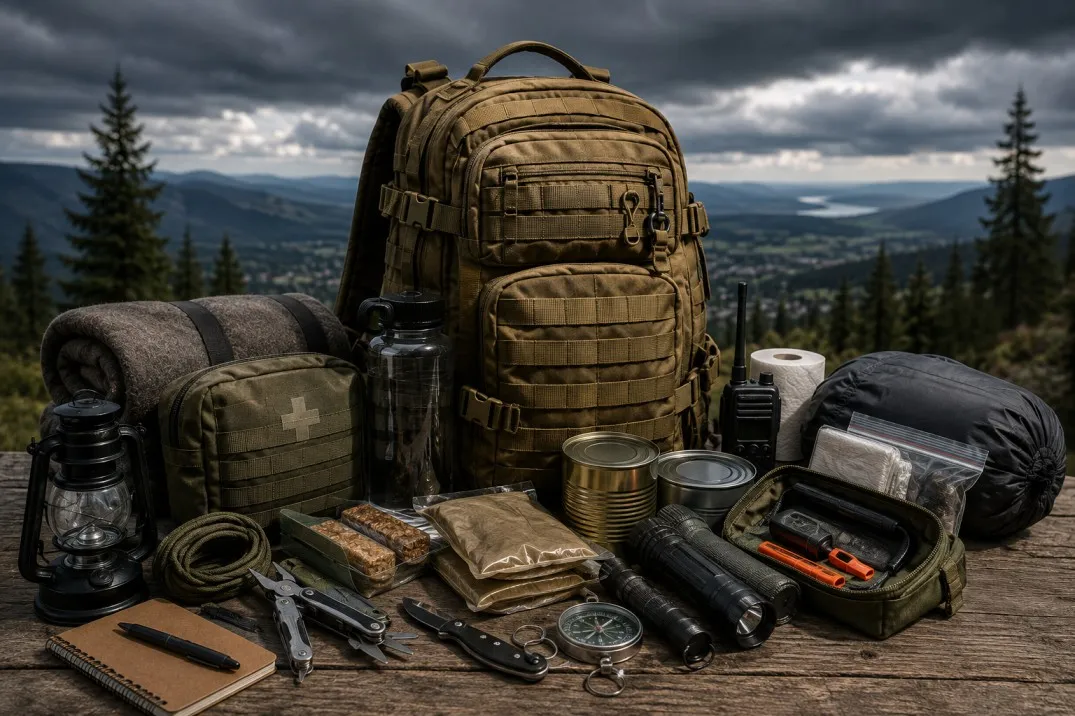
A bug out bag is a single packed bag built to keep one person alive and moving for about 72 hours during an evacuation. It sits by the door, ready to grab in under a minute, whether the emergency is a wildfire, a hurricane, a flood, or something else entirely.
The seventy-two-hour window is not arbitrary. It reflects how long most emergency response agencies expect it to take before organized aid, shelter, or a return home becomes realistic, and it is the standard planning window used by FEMA's own disaster guidance.
This guide walks through what actually belongs in a bug out bag, organized by survival priority, along with the weight and packing mistakes that turn a good idea on paper into a bag nobody can actually carry.
The Survival Priority Order
Experienced preppers build a bag around a simple hierarchy: shelter, water, fire, food, medical care, navigation, communication, and security, roughly in that order of urgency.
This ordering matters because it is easy to fill a bag with interesting gadgets while missing something as basic as a way to stay dry and warm overnight. Build around the priorities first, and add extras only once the core list is solid.
Shelter and Warmth
● A lightweight emergency bivy or space blanket, which packs down to almost nothing
● A poncho or rain jacket, since staying dry does more for body temperature than almost anything else
● A compact sleeping bag or thermal liner rated for the coldest realistic temperature in your region
● A change of warm, moisture-wicking clothing sealed in a waterproof bag
Resist the urge to pack a full tent alongside multiple tarps and blankets. Pick one primary shelter solution and one backup, since redundant shelter gear is one of the fastest ways to blow your weight budget.
Water
Water is where the math gets genuinely difficult, since a gallon weighs over eight pounds and three days of water for one person adds up fast. Most realistic bags carry two to three liters of water on hand alongside a reliable filtration method.
A portable water filter, either straw-style or a pump filter rated for bacteria and protozoa, lets you treat water from streams, lakes, or other found sources rather than carrying every drop you might need.
Water purification tablets are a lightweight backup to a filter, useful in case your primary filter breaks or clogs partway through your 72 hours.
Fire and Light
● Waterproof matches or a reliable lighter, plus a backup ferro rod striker
● A small amount of dry tinder, such as cotton balls soaked in petroleum jelly, sealed in a small container
● A headlamp with spare batteries, since a hands-free light source matters far more than most people expect once it is actually dark
Food
High-calorie, lightweight options like ration bars or freeze-dried meals are the standard choice, since they pack a lot of usable energy into very little weight and volume.
Aim for roughly 2,000 calories per day at minimum, and choose foods that require little or no preparation, since you may not have reliable access to clean water or a way to cook once you are moving.
Medical Supplies
A compact first aid kit covering basic medicine such as pain relievers, antihistamines, and antibiotic ointment, along with bandages, gauze, and tape, covers the vast majority of realistic bug out injuries.
Consider a basic bleed control kit for anyone with the training to use one, including a tourniquet and a compression bandage, since severe bleeding is one of the few injuries where minutes genuinely determine the outcome.
Pack any prescription medications your household depends on, along with copies of prescriptions, since restocking medication becomes genuinely difficult once normal supply chains and pharmacies are disrupted.
Navigation and Communication
A physical, paper map of your region and the surrounding area is essential, since cell networks and GPS can both fail exactly when you need them most.
A hand-crank or battery-powered emergency radio keeps you informed of official updates and evacuation routes, and many models double as a phone charger and flashlight.
A whistle is a small, nearly weightless item that can carry your call for help far further than your own voice, particularly useful if you become separated from your group.
Documents and Money
Copies of identification, insurance information, and important contacts, sealed in a waterproof bag or pouch, protect you if your originals are lost or damaged during the emergency itself.
A modest amount of cash in small denominations matters more than most people expect, since card readers and ATMs frequently go down during widespread power outages.
Customizing Your Bag for Climate and Family Needs
A bag built for a hot, dry Southwest summer looks meaningfully different from one built for a Northeast winter, and copying a generic checklist without adjusting for your actual climate is one of the most common bug out bag mistakes.
In cold climates, prioritize insulation layers, hand and foot warmers, and a sleeping system rated well below your region's realistic overnight low, since hypothermia can set in far faster than most people expect once you are wet, tired, or simply standing still.
In hot, arid climates, water and sun protection move even higher up the priority list, and a lightweight, breathable layer plus a wide-brim hat does more for your odds than most people initially assume.
Children need their own scaled-down version of many core items, including a comfort item that matters more for morale than survival value alone, plus any specific medications or medical needs unique to them.
Anyone in the household with a genuine medical condition needs backup medication and any specific supplies built into their own bag rather than assumed to be covered by the household's general medical kit, since bags can be separated during an actual evacuation.
Weight and Packing Discipline
Keep your total loaded weight under roughly 15 to 20 percent of your body weight, which works out to about 22 to 35 pounds for most adults. Beyond that range, a bag stops being something you can actually walk miles with.
Every item you consider adding should earn its place by weight. If two items serve the same basic function, one of them almost always needs to go, no matter how useful each one seems on its own.
A tiered system helps here: pack the truly critical items first, add the genuinely important second tier once the critical layer is solid, and only add convenience items from a third tier if weight allows.
Once your bag is built and reasonably established, resources such as Ask A Prepper are worth returning to periodically, since seasonal advice and gear recommendations continue to evolve as new products and better techniques emerge.
Testing Your Bag
Pack your bag, then actually wear it on a walk of a mile or two. This single test reveals more about what needs to change than any amount of reading a checklist ever will.
Revisit your bag at least twice a year, checking expiration dates on food and medication, replacing batteries, and adjusting clothing sizes for growing children or changing seasons.
Final Thoughts
A good bug out bag is built around survival priorities first, weight discipline second, and personal preference a distant third. Cover shelter, water, fire, food, and medical needs solidly before adding anything else.
Test what you build by actually carrying it, revisit it regularly, and remember that the best bug out bag is the one you can realistically carry for real miles, not the one that looks most complete sitting in your closet.