How to Choose Quality Home Appliances on a Budget
205 Views
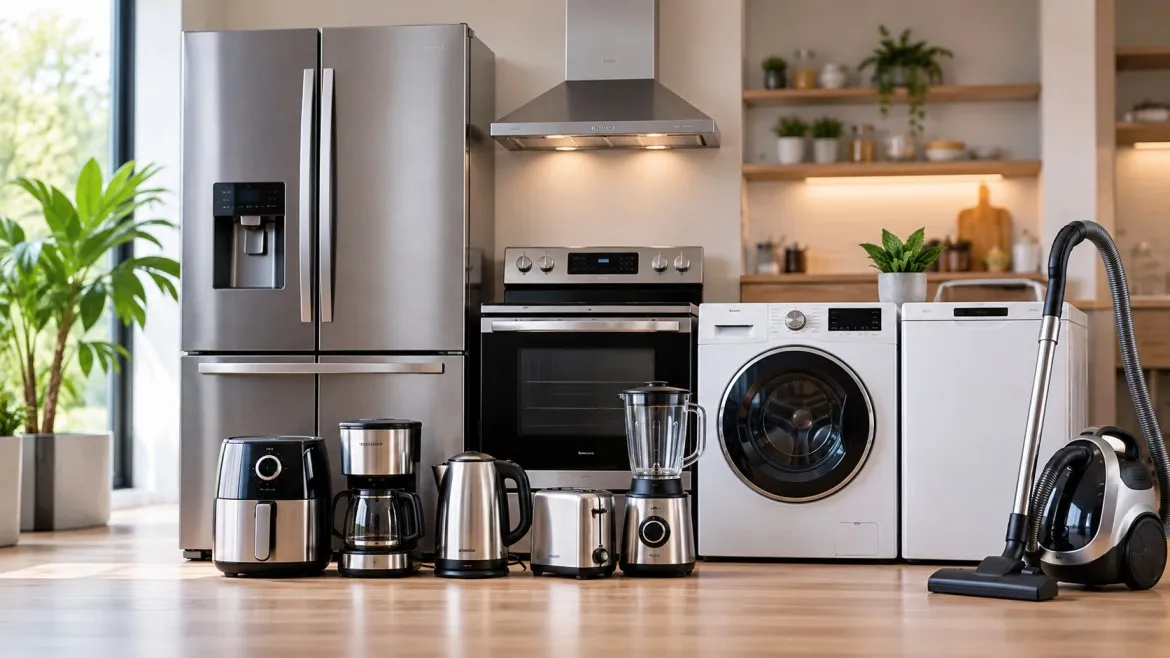
Affordable appliances are no longer a compromise. A decade ago, a low price tag often meant poor performance, short lifespans, and frequent repairs. Today, a well-informed shopper can fill a kitchen and laundry room with reliable, efficient products without draining their savings. The trick is knowing what to look for, where to spend, and where to save.
Whether you're furnishing your first apartment, replacing a worn-out fridge, or upgrading your home on a tight budget, this guide walks you through the process step by step.
Start With Your Real Needs
Before comparing models, take a moment to think about how you actually live. Appliances are often oversold on features that most households never use.
Ask yourself a few questions. How many people live in your home? How often do you cook, wash clothes, or run the dishwasher? Do you have space limits, such as a narrow laundry nook or a compact kitchen? A family of five needs a larger refrigerator and washing machine than a single professional, and buying capacity you don't need means paying for it twice: once at the register and again on your power bill.
Write down your must-haves and your nice-to-haves. A smart touchscreen on a fridge is a nice-to-have. Reliable cooling and a good warranty are must-haves. Keeping the two lists separate stops you from being swayed by a flashy demo in the showroom.
Understand the True Cost of Ownership
The sticker price is only part of the story. A cheap appliance that guzzles electricity or water can cost far more over its lifetime than a slightly pricier, efficient one.
Energy and water efficiency ratings are your best friends here. A refrigerator runs around the clock, so even a small difference in energy consumption adds up across 10 to 15 years. The same goes for washing machines, which vary widely in water use per cycle, and for air conditioners, where an inverter model can use significantly less power than a fixed-speed one.
When comparing two similar models, estimate the yearly running cost. Many manufacturers publish energy consumption figures, and the difference often justifies a modest premium. Think of efficiency as a return on investment that pays you back every month.
Know Which Appliances Deserve Your Money
Not every appliance is worth the same level of spending. A sensible strategy is to prioritize based on how heavily you use each item and how costly it is to replace.
Refrigerators. This is the one appliance you should never skimp on. It runs constantly and protects your food. Look for a reliable compressor, good temperature consistency, and adjustable shelving. Basic top-mount models are usually the best value, while French-door and smart models carry a premium for features many people don't need.
Washing machines. Front loaders generally use less water and are gentler on clothes, while top loaders tend to be cheaper and faster. Pick the one that fits your habits and your space. A capacity of 7 to 8 kg suits most small and medium households.
Microwaves and kettles. These are great places to save. A simple, well-reviewed microwave with a few reliable power settings does the job just as well as a premium one. The same applies to toasters, blenders, and other small kitchen gadgets.
Dishwashers and ovens. These sit in the middle. Look for solid build quality and straightforward controls rather than a long list of programs you'll rarely touch.
Where to Shop for the Best Value
Where you buy matters almost as much as what you buy. Big-box stores, online marketplaces, and local specialists all have different strengths. Local retailers often provide better after-sales support, delivery, and installation, which are worth real money if something goes wrong.
If you're browsing for dependable electronics and home goods at fair prices, it helps to work with a retailer that focuses on value and customer service. Stores like Smart Electronics QLD are a good example of the kind of shop worth checking: they offer a practical range of products without the inflated pricing you might find elsewhere. Wherever you choose to shop, compare at least three sellers, read the return policy, and confirm what's included in delivery before you commit.
Use Sales, Bundles, and Timing to Your Advantage
Timing can save you hundreds. Appliance prices tend to drop during major sales events, end-of-financial-year clearances, and when new models arrive and retailers need to clear older stock. Last year's model is often nearly identical to the new one, with only cosmetic changes, and it can be heavily discounted.
Bundles are another smart option. If you're furnishing a whole kitchen or laundry, buying several appliances from the same retailer can unlock package discounts, free delivery, or free installation. Don't be shy about asking for a better price or a bonus, such as a longer warranty or free removal of your old unit. Many retailers will say yes.
Read Reviews, but Read Them Wisely
Customer reviews are valuable, but they need a critical eye. Look for patterns rather than individual complaints. One bad review about a noisy fridge could be a fluke, but twenty reviews mentioning the same fault is a warning sign.
Pay particular attention to reviews written six months or more after purchase, since they reveal how the product holds up over time. Check for comments about customer support, since a company that handles problems well can make up for an occasional defect. Be a little suspicious of products with only glowing five-star reviews and no detail, as these can sometimes be unreliable.
Don't Overlook Warranty and Service
A strong warranty is a sign that a manufacturer stands behind its product. Look at how long the warranty lasts, what it covers (parts, labor, or both), and how easy it is to make a claim. Some brands offer extended coverage on specific components, such as compressors or motors, which are among the most expensive parts to repair.
Also consider the availability of spare parts and local repair technicians. An appliance from a brand with no local service network can become a headache the moment something breaks. A modestly priced model from a well-supported brand often beats an obscure bargain.
Consider Refurbished and Ex-Display Options
If your budget is especially tight, refurbished and ex-display appliances can deliver excellent value. Ex-display units have usually been used only for showroom purposes and often come with the same warranty as a new item, at a noticeably reduced price. Certified refurbished models are inspected, repaired, and tested before resale.
The key is to buy from a reputable seller who provides a written warranty and clear return terms. Inspect the unit carefully for damage and ask about its history before you pay.
Maintain Your Appliances to Make Them Last
Even the best-value appliance can fail early if it's neglected. A few simple habits extend the life of your purchases significantly:
- Clean refrigerator coils and door seals twice a year so the compressor doesn't overwork.
- Run a cleaning cycle on your washing machine and dishwasher regularly to prevent buildup and odors.
- Don't overload machines, which strains motors and bearings.
- Use water filters or softeners if you live in a hard water area, since mineral scale is a leading cause of premature failure.
- Follow the manufacturer's instructions for installation and ventilation.
A little care costs almost nothing and can add years to an appliance's life, which is the cheapest way to save money of all.
A Quick Buying Checklist
Before you head to the checkout, run through this list:
- Does the size and capacity match your household and your space?
- Is the energy and water efficiency rating strong?
- Have you compared prices from at least three sellers?
- Does it come with a solid warranty and accessible local service?
- Have you read recent, detailed customer reviews?
- Are delivery, installation, and old-unit removal included or reasonably priced?
If you can answer yes to most of these, you're likely getting a good deal.
Final Thoughts
Buying quality appliances on a budget is about being deliberate, not about settling for less. By focusing on real needs, weighing long-term running costs, shopping around, timing your purchase well, and choosing products backed by good warranties, you can furnish your home with dependable equipment at a price that makes sense. Spend where it counts, save where it doesn't, and look after what you buy. Your home, and your wallet, will thank you.