Jammed Finger or Mallet Finger? Signs of a Sports Injury You Shouldn't Ignore
By Abdus Salam
450 Views
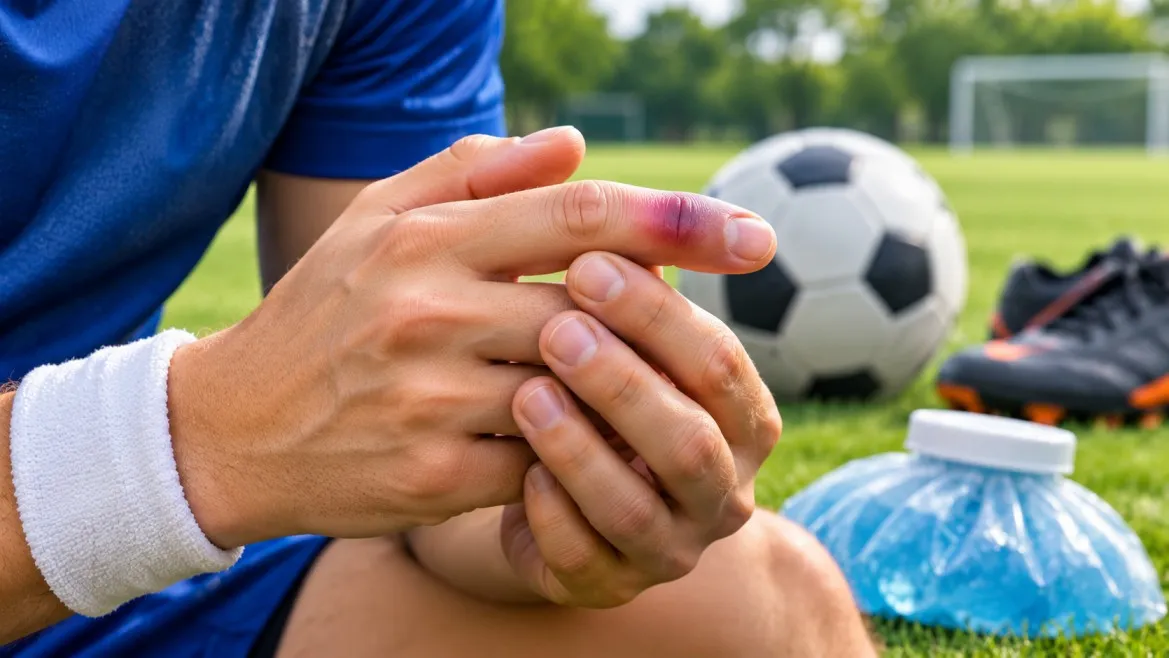
Finger injuries are common in sports, particularly when catching, throwing, or handling a ball. Whether you're playing basketball, volleyball, baseball, or enjoying a casual game with friends, a sudden impact to your fingertip can cause more damage than you might expect.
Many people assume that a painful finger is simply jammed and will recover with a little rest. However, some injuries involve damage to the tendons responsible for finger movement.
One example is mallet finger, sometimes called baseball finger. Although the injury may initially appear minor, recognising the symptoms and seeking appropriate treatment can make an important difference to recovery.
What Happens When You Jam Your Finger?
A jammed finger is a general term used to describe an injury caused by a sudden impact or force applied to a finger.
It commonly occurs when a ball strikes the fingertip or when a finger catches against another player or a solid object.
Depending on the direction and strength of the impact, the injury may affect ligaments, tendons, joints, or bones.
Typical symptoms include pain, swelling, bruising, and difficulty moving the affected finger.
While some injuries involve relatively minor soft tissue damage, others can cause fractures, dislocations, or tendon ruptures.
This is why it's important not to assume that every finger injury will heal without professional assessment.
What Is Mallet Finger?
Mallet finger is a specific injury involving the extensor tendon, which allows you to straighten the tip of your finger.
When a sudden force bends the fingertip beyond its normal range, the tendon may tear or become detached from the bone. Sometimes, a small fragment of bone is pulled away with the tendon.
The most recognisable symptom is a drooping fingertip that cannot be straightened voluntarily.
You may still be able to bend the finger normally or straighten it using your other hand, but the injured tendon cannot perform its usual function.
Unlike a general finger sprain, mallet finger requires particular attention because the damaged tendon needs to heal while the fingertip is maintained in the correct position.
Five Signs Your Finger Injury Could Be More Serious
Recognising the difference between temporary discomfort and a potentially significant injury is important.
1. Your fingertip suddenly droops
A fingertip that remains bent downward, even when you try to straighten it, is a characteristic sign of mallet finger.
This happens because the injured tendon can no longer extend the final finger joint effectively.
2. Swelling develops around the last joint
Swelling near the fingertip can occur after many types of injury.
However, when swelling is accompanied by an inability to straighten the finger, tendon damage becomes a particular concern.
3. You experience pain after a direct impact
Mallet finger often develops following a forceful impact, such as a basketball or baseball striking the end of an extended finger.
Pain may be noticeable immediately, although some people experience surprisingly little discomfort despite having a significant injury.
4. Your finger looks different from normal
An unusual bend, visible deformity, or change in the resting position of the fingertip should not be ignored.
These changes may indicate tendon damage or another injury requiring assessment.
5. You cannot move the finger normally
Difficulty extending the fingertip is particularly important.
Persistent movement problems following an injury warrant medical evaluation, even if the pain has started to improve.
Why Early Assessment Matters
One of the biggest mistakes people make after a finger injury is assuming that reduced pain means the underlying damage has healed.
Tendon injuries do not always produce severe or continuous discomfort.
With mallet finger, the injured tendon may need prolonged support to heal correctly.
The American Academy of Orthopaedic Surgeons explains that most mallet finger injuries can be treated without surgery, provided the fingertip is appropriately supported.
Without suitable treatment, some individuals may develop persistent fingertip drooping, stiffness, or reduced hand function.
A healthcare professional can examine the finger and determine whether imaging is needed to identify a possible fracture or joint injury.
How Is Mallet Finger Treated?
Treatment depends on the severity of the injury, whether a fracture is present, and the position of the affected joint.
For many patients, the first stage involves wearing a specialised splint to hold the fingertip straight while the tendon heals.
The splint is typically worn continuously for six to eight weeks, although the exact duration depends on professional assessment and the injury's characteristics.
During this period, the injured fingertip joint must remain straight. Even temporarily allowing it to bend can interfere with healing.
A clinician can provide instructions for cleaning the finger, caring for the skin, and maintaining the splint correctly.
Once sufficient healing has occurred, rehabilitation may help restore movement and function.
Northwest Rehab Group provides a useful guide to mallet finger treatment and rehabilitation, explaining the injury, conservative treatment options, and how guided exercises and manual therapy may support recovery at the appropriate stage.
Surgery is less commonly required but may be considered when the injury involves a large bone fragment, an unstable joint, or other complications.
The Role of Rehabilitation in Recovery
The initial goal of mallet finger treatment is to protect the damaged tendon.
Once the treating clinician confirms that healing has progressed sufficiently, rehabilitation can address stiffness, movement limitations, and difficulties using the hand.
Depending on individual needs, a rehabilitation programme may include carefully prescribed exercises, education, and appropriate hands-on treatment.
The approach should be gradual and tailored to the injury.
For example, someone returning to recreational basketball may need guidance on safely rebuilding hand function before resuming catching and throwing.
A musician or office worker may have different functional goals, such as improving fine finger control or returning comfortably to everyday tasks.
Importantly, stretching and strengthening the injured fingertip too early can disrupt healing. Exercises should only begin when recommended by the treating professional.
Can You Prevent Mallet Finger During Sports?
Not every sports injury can be prevented, especially when unexpected impacts occur.
However, developing sensible sporting habits may help reduce certain risks.
Consider warming up before activity, using appropriate protective equipment where recommended, and practising safe catching and ball-handling techniques.
It is also important to recognise when an injury requires medical attention rather than continuing to play.
If your fingertip suddenly droops following an impact, stop the activity, protect the injured finger, and seek prompt assessment.
Avoid repeatedly bending the fingertip to test whether it has recovered.
If there is an open wound, a significant nail injury, or visible bone, seek urgent medical care.
How Long Does Recovery Take?
Recovery from mallet finger requires patience.
Although continuous splinting commonly lasts six to eight weeks, stiffness, swelling, and tenderness may persist beyond this initial period.
Some patients require additional protective splinting, while others may benefit from rehabilitation once the tendon has healed sufficiently.
Return to sport should be based on the injury's progress and professional guidance rather than a fixed timetable.
Some people regain excellent function, although a slight residual droop or stiffness may remain.
Following the prescribed treatment plan gives the tendon an opportunity to heal and can reduce the risk of avoidable complications.
Final Thoughts
Finger injuries are easy to underestimate, particularly when they happen during everyday sporting activities.
However, a fingertip that suddenly droops or cannot be straightened may indicate mallet finger rather than a simple sprain.
Recognising the warning signs, obtaining a timely assessment, and following appropriate treatment advice can make a meaningful difference to recovery.
Whether you play competitive sports or simply enjoy staying active, protecting your hands is an important part of maintaining your ability to participate in the activities you enjoy.