Keeping Older Pasadena Gates in Working Order
By Abdus Salam
126 Views
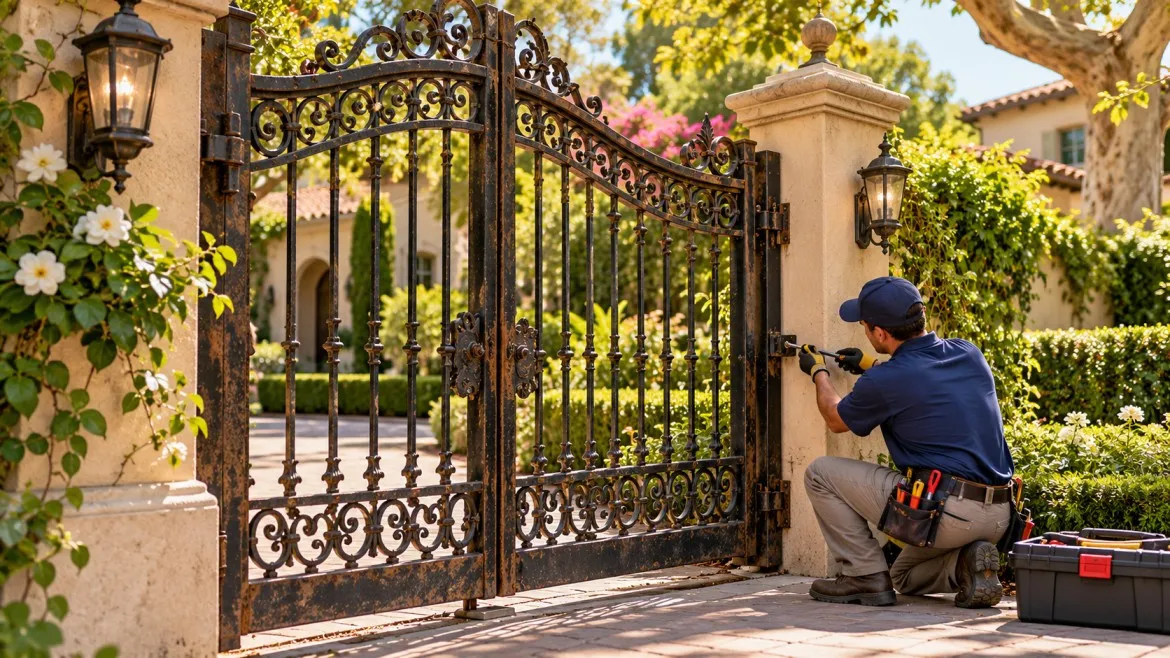
Pasadena is renowned for its historic architecture, ranging from classic Craftsman bungalows and Spanish Colonial Revival estates to mid-century properties. Many of these residences feature original wrought iron, cast iron, or custom steel entrance gates that contribute significantly to the neighborhood's historic charm and overall curb appeal. However, operating an older gate system presents ongoing challenges. Over decades of service, physical metal structures expand and contract, structural posts shift, and aging drive motors face severe mechanical fatigue.
Preserving the functionality and safety of aging entrance systems requires a clear understanding of structural preservation, electrical retrofitting, and preventative care. This guide offers practical strategies for maintaining, repairing, and modernizing older residential gates to keep them operating safely without sacrificing their original architectural character.
Common Structural and Mechanical Issues in Aging Gates
Older metal gates face continuous stress from daily physical operation, changing weather conditions, and gradual ground movement. Over time, these environmental factors manifest as specific mechanical problems that degrade operating performance.
Sagging Frames and Post Displacements
Heavy iron and steel gate leaves exert substantial leverage on supporting posts. Decades of ground settling, seismic activity, or soil moisture shifts can cause supporting masonry pilasters or steel posts to lean inward. Even a slight fraction of an inch in post displacement creates severe alignment issues at the latch, causing the gate panel to drag along the driveway or bind against locking mechanisms.
Hinge Wear and Bearing Failures
Traditional pin hinges and unsealed sleeve bearings experience continuous friction during opening cycles. Without regular lubrication, internal metal surfaces wear down unevenly, introducing mechanical play into the system. As hinges degrade, opening the gate requires significantly more torque, which places excessive strain on automated operator arms.
Metal Corrosion and Material Degradation
Rust is one of the most common threats to older steel and iron gates. Surface oxidation often begins at structural weld joints, bottom rails, or around mounting hardware where moisture accumulates. Left untreated, surface rust quickly penetrates the structural tubing, causing metal flaking, joint failure, and thinning frame walls that can no longer support automation hardware.
Balancing Historic Preservation with Modern Automation
Preserving the original aesthetic of an older entry gate while upgrading its performance requires a careful blend of traditional metalwork and modern technology. Property owners do not need to replace historic gates entirely to enjoy the convenience of reliable motorized operation.
Custom Welding and Structural Reinforcement
Restoring structural integrity often involves custom metal fabrication. Skilled technicians can cut away rusted sections of tubing, weld in heavy-duty replacement steel, and reinforce sagging frames with internal gussets. Rebuilding structural hinges with modern, sealed ball-bearing units eliminates mechanical drag while retaining the gate's historic appearance.
Retrofitting Modern Automated Operators
Older entry gates were often installed before current safety and efficiency standards were established. Modern hydraulic and electro-mechanical gate operators offer high torque capacity and smooth speed adjustments, making them well-suited for moving heavy iron panels. Retrofitting an automated operator onto an existing structure involves welding reinforced mounting brackets directly to solid structural points on the gate leaf, ensuring even weight distribution during operation.
Upgrading Access Control and Safety Systems
Modernizing an older entrance goes beyond replacing the motor. Integrating contemporary access controls, such as wireless keypads, video intercom terminals, and smartphone credentialing, upgrades daily convenience. Furthermore, retrofitting safety sensors, such as photoelectric photo-eyes and obstruction-sensing reversing edges, brings older installations into alignment with modern UL 325 safety guidelines, protecting vehicles, pets, and pedestrians from impact injuries.
When mechanical failures or structural sagging occur on historic properties, consulting specialists experienced in Gate Repair Pasadena ensures that physical welding repairs, hinge rebuilds, and electrical system upgrades are executed while preserving the property's architectural style.
Protective Surface Treatments for Long-Term Rust Prevention
Restoring the physical metal structure is only half the battle; protecting the ironwork from future environmental exposure is essential for long-term reliability.
- Abrasive Blasting and Surface Preparation: Removing old layers of chipping paint, mill scale, and surface corrosion down to bare metal provides a clean foundation for protective coatings.
- Application of Rust-Inhibiting Primers: Applying a zinc-rich epoxy primer seals the bare metal, creating a corrosion-resistant barrier that stops moisture penetration.
- High-Durability Finish Coatings: Finishing the structure with UV-resistant polyurethane paints or baked-on powder coating protects the ironwork against sun fading, rain exposure, and daily wear.
Preventative Maintenance Protocols for Older Entrances
Establishing a consistent maintenance routine is the most effective way to prevent minor mechanical friction from escalating into catastrophic equipment failures. Older gates benefit significantly from regular inspections and minor adjustments.
- Lubricate Moving Components Regularly: Apply high-quality lithium grease to hinges, guide rollers, drive chains, and bearing assemblies every six months to minimize mechanical friction.
- Inspect Electrical Housings for Pests and Moisture: Check operator control enclosures, junction boxes, and safety sensor housings for spider webs, moisture buildup, or rodent nests that can short-circuit electronic boards.
- Verify Post Alignment and Latch Engagement: Periodically check that gate leaves line up precisely with stop posts and electric strikes without requiring physical force to catch.
- Test Emergency Manual Releases: Ensure that mechanical bypass keys and manual release levers disengage smoothly so the gate can be opened manually during power outages.
Extending the Operating Life of Classic Entrances
Maintaining older entry gates requires a thoughtful combination of traditional structural craftsmanship and modern electronic integration. By addressing post displacement, treating metal corrosion early, retrofitting high-torque operators, and maintaining strict safety calibration, property owners can preserve the historic beauty of their entryways while enjoying reliable, automated performance for years to come.