The basketball hoop is arguably the most iconic piece of equipment in sports. It represents not just a target, but the essence of basketball itself—a combination of skill, precision, and athleticism. From professional NBA arenas to backyard driveways, basketball hoops vary in design, construction, and functionality, yet all serve the same primary purpose: to challenge players to score points by putting the ball through the hoop.
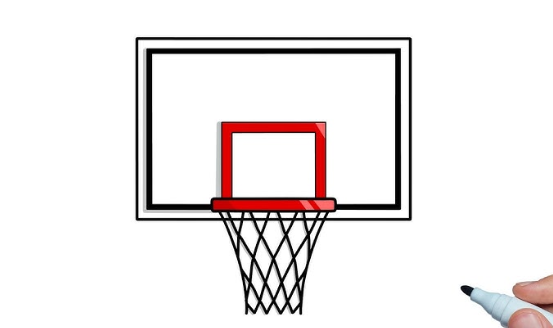
A standard basketball hoop consists of three main components: the rim, the backboard, and the net. These elements work together to create a scoring system that is simple in concept but challenging in execution. Understanding these components and their evolution provides insight into why basketball has become a global phenomenon.
The Components of a Basketball Hoop
The Rim
The rim is the circular metal ring that the ball must pass through to score. Its standard diameter is 18 inches, and it is positioned 10 feet above the playing surface in all regulation basketball games. Rims are typically made of solid steel and are designed to withstand high-impact shots, including dunks, which exert considerable force. Some rims are equipped with breakaway mechanisms, allowing them to bend slightly when a player dunks the ball, reducing the risk of injury and damage to the hoop.
The Backboard
The backboard is the flat surface to which the rim is attached. Traditionally made of wood or acrylic, modern backboards are often constructed from tempered glass for professional games, providing a durable, transparent surface that does not obstruct the spectators’ view. The backboard allows players to use bank shots, where the ball rebounds off the board to reach the hoop. Regulation backboards measure 6 feet wide and 3.5 feet tall, providing ample space for various shooting angles.
The Net
The net hangs from the rim and serves both functional and visual purposes. A properly installed net slows down the ball after it passes through the rim, allowing players, referees, and spectators to clearly see when a basket is scored. Nets are typically made of nylon or chain and come in varying lengths depending on the level of play. While the net is not essential for scoring, it adds a psychological and aesthetic element to the game.
History of the Basketball Hoop
The basketball hoop has evolved significantly since the sport’s invention in 1891 by Dr. James Naismith. The original hoops were simple peach baskets nailed to a gymnasium balcony. Players had to manually retrieve the ball after each score, which limited the pace of the game. In 1906, the invention of the metal rim with a net replaced these baskets, revolutionizing the sport by making scoring more efficient.
As basketball grew in popularity, hoop designs improved. Adjustable-height hoops allowed younger players and recreational enthusiasts to enjoy the game. Breakaway rims, padded backboards, and professional-grade glass became standard in competitive basketball. The hoop not only became more functional but also a symbol of the sport itself, appearing in logos, promotional materials, and pop culture.
Types of Basketball Hoops
Portable Hoops
Portable basketball hoops are designed for home use or recreational settings. They feature a base filled with water or sand, allowing the hoop to remain stable without permanent installation. These hoops are adjustable, making them suitable for players of all ages. Portable hoops are popular in driveways, parks, and recreational centers, offering convenience and flexibility.
In-Ground Hoops
In-ground basketball hoops are permanently installed in the ground, providing greater stability and durability. They are often used in professional, high school, and competitive settings. The pole is cemented into the ground, and the backboard and rim are mounted securely to prevent movement. In-ground hoops offer a professional feel and can support more aggressive play styles, including powerful dunks.
Wall-Mounted Hoops
Wall-mounted hoops attach directly to a wall or a sturdy surface. They are commonly found in gyms, schools, and urban areas where space is limited. Wall-mounted hoops provide a practical solution for indoor and outdoor settings without requiring a pole or base. While they may not be adjustable in height, they offer a solid and reliable structure for casual or competitive play.
Mini and Indoor Hoops
Mini hoops are smaller in size and often used indoors. They are ideal for children, office spaces, or recreational rooms. These hoops allow players to practice shooting and coordination skills without the need for a full-sized court. Despite their smaller size, mini hoops can help develop essential basketball techniques, making them a popular training tool.
Materials and Construction
Modern basketball hoops are designed with safety, durability, and performance in mind. The rims are made of heavy-duty steel to endure repeated use, including high-impact dunks. Backboards are constructed from materials that resist breaking while offering a consistent bounce for bank shots. Acrylic and polycarbonate backboards are common for recreational use, while tempered glass is preferred for professional play due to its strength and visual clarity.
The pole or mounting system is equally important. Adjustable systems allow the hoop to move up or down, accommodating different player heights. Padded poles and backboard edges reduce injury risk during play. These construction innovations ensure that the basketball hoop is not only functional but also safe for players of all skill levels.
Setting Up a Basketball Hoop
Proper installation is crucial for maximizing the performance and safety of a basketball hoop. For portable hoops, the base should be filled with sufficient water or sand to prevent tipping during play. In-ground hoops require precise measurements and concrete installation to maintain stability. The rim must be exactly 10 feet above the playing surface, and the backboard should be level to ensure fair and accurate gameplay.
Regular maintenance is essential, especially for outdoor hoops exposed to weather elements. Checking bolts, tightening connections, and inspecting the net help extend the hoop’s lifespan. Cleaning the backboard and rim ensures optimal performance, and replacing worn nets improves the visual clarity of each scored basket.
Basketball Hoop Techniques
Shooting
The primary goal of a basketball hoop is to score points by putting the ball through it. Shooting techniques vary, including jump shots, layups, and three-pointers. Mastery of shooting requires practice, focus, and an understanding of the hoop’s dimensions. Players learn to judge angles, distance, and force to increase accuracy.
Dunking
Dunking is an advanced skill that involves forcefully putting the ball through the hoop, often by jumping and slamming it down. Dunking requires athleticism, timing, and coordination. Modern breakaway rims make dunking safer by absorbing impact, preventing damage to the rim and reducing the risk of injury.
Bank Shots
A bank shot uses the backboard to guide the ball into the hoop. This technique relies on angles and precision, as the player must calculate the trajectory of the ball to ensure it bounces correctly off the backboard. Bank shots are useful when a direct shot is difficult due to defenders or positioning.
Importance of the Basketball Hoop in Training
A basketball hoop is essential for skill development and training. Players use hoops to practice shooting accuracy, dribbling, and rebounding. Training with different types of hoops, including adjustable and mini hoops, helps players refine their techniques. For example, lowering the hoop can help beginners develop proper shooting form, while practicing on regulation-height hoops prepares players for competitive games.
The hoop also plays a psychological role in training. The sound of the ball swishing through the net provides positive reinforcement, motivating players to continue practicing. Repeated scoring builds confidence and familiarity with the mechanics of shooting.
The Basketball Hoop in Culture
Beyond its practical function, the basketball hoop has become a cultural symbol. It represents competition, teamwork, and perseverance. In movies, commercials, and social media, hoops are often used to convey determination and success. Street basketball and playground games have popularized the hoop as a centerpiece of community interaction, inspiring generations of players worldwide.
The hoop is also celebrated in art and design. From miniature collectible hoops to full-size decorative versions, it serves as an emblem of athleticism and creativity. Many players and fans view the hoop as a symbol of personal achievement, capturing the thrill of scoring and the excitement of the game.
Innovations in Basketball Hoop Technology
Modern technology has introduced innovative features to basketball hoops. Smart hoops equipped with sensors can track shot accuracy, ball trajectory, and player performance. Adjustable hoops with motorized height controls provide convenience for training multiple players. Portable hoops now feature weather-resistant materials, making them durable for outdoor use in various climates.
Virtual reality and augmented reality technologies are also influencing hoop training. Players can practice shooting in simulated environments while receiving real-time feedback, enhancing skill development. These innovations reflect the ongoing evolution of the basketball hoop, maintaining its central role in the sport while adapting to modern demands.
Common Challenges with Basketball Hoops
While basketball hoops are designed for durability, they are not immune to problems. Common issues include bent rims, cracked backboards, and loose mounting systems. Weather conditions, particularly in outdoor settings, can accelerate wear and tear. Maintaining the net, ensuring stability, and inspecting hardware regularly can prevent accidents and prolong the life of the hoop.
Another challenge is ensuring proper placement and alignment. A hoop that is not level or incorrectly positioned can affect shot accuracy and fairness in play. Whether for recreational or professional use, attention to detail during installation is critical for an optimal basketball experience.
Choosing the Right Basketball Hoop
Selecting the ideal basketball hoop depends on several factors, including intended use, available space, and budget. For recreational play at home, portable hoops offer flexibility and convenience. For competitive or professional settings, in-ground hoops with tempered glass backboards provide stability and performance. Wall-mounted hoops are suitable for indoor or limited-space environments, while mini hoops are perfect for children and casual play.
When choosing a hoop, consider material quality, rim durability, adjustability, and safety features. Investing in a high-quality hoop enhances the playing experience and ensures years of enjoyment. Understanding the specific needs of players and the environment is key to making an informed decision.
Conclusion
The basketball hoop is more than just a target; it is the centerpiece of a sport that has captivated millions around the world. From its humble beginnings as a peach basket to modern adjustable and technologically advanced hoops, it embodies the spirit of basketball—challenge, skill, and fun. Whether for professional athletes, recreational players, or young learners, the hoop provides endless opportunities for development, competition, and enjoyment.
FAQs
Q1: What is the standard height of a basketball hoop?
The standard height for all regulation basketball hoops is 10 feet from the playing surface to the rim. This applies to professional, high school, and most organized basketball games.
Q2: What materials are used to make basketball hoops?
Rims are usually made of steel, backboards can be acrylic, polycarbonate, or tempered glass, and nets are commonly nylon or chain. Poles and mounting systems are typically made of metal with protective coatings.
Q3: Can basketball hoop heights be adjusted?
Yes, many modern basketball hoops, especially portable and in-ground models, offer adjustable heights, making them suitable for children and adults of different skill levels.
Q4: What is a breakaway rim?
A breakaway rim is designed to bend slightly when a player dunks, reducing the risk of injury and preventing damage to the rim and backboard. It is common in professional and competitive hoops.
Q5: How do I maintain an outdoor basketball hoop?
Regular maintenance includes checking bolts and connections, cleaning the backboard, replacing worn nets, and ensuring the base or pole remains stable. Protecting the hoop from extreme weather also extends its lifespan.