Tanzania Birding Safari: Discover the Best Birdwatching Destinations in Tanzania
By Abdus Salam
392 Views
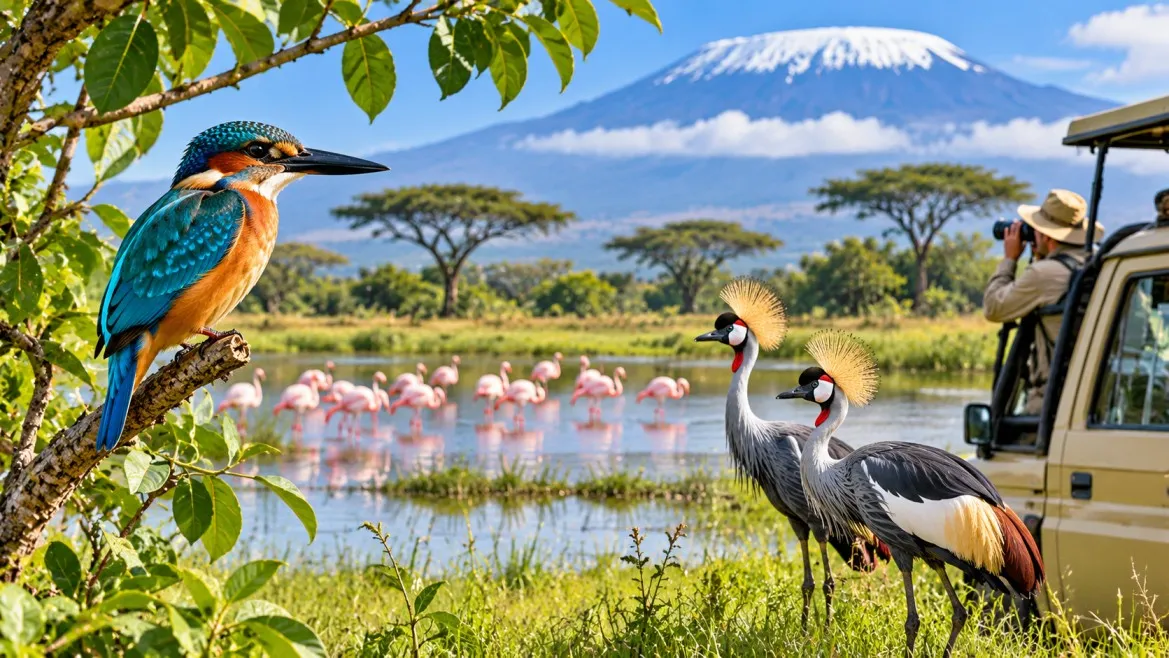
Discover Tanzania on an unforgettable birdwatching safari, exploring spectacular national parks, tropical forests, freshwater lakes, wetlands, mountains and open savannah landscapes. With more than 1,100 recorded bird species, Tanzania is one of Africa's most rewarding destinations for bird enthusiasts and wildlife photographers.
From the colourful Yellow-collared Lovebird and endemic Ashy Starling to the impressive Kori Bustard, African Fish Eagle and Grey-crowned Crane, Tanzania offers exceptional opportunities to observe birds in their natural habitats.
A Tanzania birding safari is suitable for experienced birdwatchers, amateur bird enthusiasts, photographers and nature lovers. Whether you prefer exploring the northern safari circuit, discovering the endemic birds of the Eastern Arc Mountains or visiting the remote wilderness areas of southern Tanzania, the country offers a remarkable variety of birding experiences.
1. Why Visit Tanzania for Birdwatching?
Tanzania is one of East Africa's leading birdwatching destinations because of its extraordinary ecological diversity. Its landscapes include open grasslands, acacia woodlands, montane forests, freshwater lakes, alkaline lakes, papyrus wetlands, coastal forests and semi-arid environments.
These different habitats support a wide range of resident birds, migratory species and birds with restricted geographical distributions.
Some of Tanzania's most interesting birdwatching opportunities include:
- Searching for endemic and near-endemic birds in the Eastern Arc Mountains.
- Observing waterbirds around the Great Rift Valley lakes.
- Discovering savannah birds in Serengeti and Tarangire.
- Exploring montane forests in the Usambara and Udzungwa Mountains.
- Photographing flamingos and other waterbirds at Lake Natron.
- Combining birdwatching with traditional wildlife safaris.
For travellers interested in experiencing several habitats during one holiday, a Tanzania birdwatching tour provides an excellent opportunity to explore the country's remarkable biodiversity.
2. Best Birdwatching Destinations in Tanzania
Tanzania has numerous birdwatching destinations spread across its northern, southern, western and coastal regions. Each destination offers different habitats and opportunities to observe distinctive bird species.
Serengeti National Park
Serengeti National Park is internationally famous for its spectacular wildlife and the Great Wildebeest Migration. However, it is also an excellent destination for birdwatching.
The park's extensive savannah grasslands, acacia woodlands, seasonal wetlands and riverine forests support more than 500 recorded bird species.
Birdwatchers can look out for:
- Kori Bustard.
- Secretary Bird.
- Lilac-breasted Roller.
- Southern Ground Hornbill.
- Martial Eagle.
- Bateleur.
- Grey-crowned Crane.
- Fischer's Lovebird.
- Superb Starling.
- Usambiro Barbet.
The Serengeti is particularly rewarding for visitors interested in combining birdwatching and wildlife photography. During game drives, it is possible to observe colourful savannah birds alongside lions, elephants, cheetahs, leopards, giraffes and large herds of wildebeest and zebras.
Explore our Serengeti National Park safari for more information about wildlife and nature experiences.
Tarangire National Park
Tarangire National Park is among northern Tanzania's most rewarding birdwatching destinations. Its impressive baobab trees, acacia woodlands, seasonal swamps and the Tarangire River create diverse habitats for resident and migratory birds.
The park supports more than 500 recorded bird species, making it an excellent destination for bird enthusiasts.
Some notable species include:
- Yellow-collared Lovebird.
- Ashy Starling.
- Rufous-tailed Weaver.
- Northern Pied Babbler.
- Red-billed Hornbill.
- African Grey Hornbill.
- Bateleur.
- White-bellied Go-away-bird.
- African Hoopoe.
- Superb Starling.
The Yellow-collared Lovebird and Ashy Starling are particularly interesting birds associated with Tanzania's northern region.
The Tarangire River and surrounding seasonal wetlands attract numerous birds, especially during the dry season when wildlife and birds concentrate around available water sources.
Visitors can combine birdwatching with traditional game drives in search of elephants, lions, giraffes, zebras and other wildlife.
Discover our Tarangire National Park birdwatching safari for more opportunities to explore this beautiful wilderness.
Lake Manyara National Park
Lake Manyara National Park is an excellent destination for birdwatching, particularly for visitors interested in waterbirds, woodland birds and forest species.
The park contains a variety of habitats, including groundwater forests, open grasslands, alkaline lake shores and surrounding wetlands.
Some interesting bird species include:
- Lesser Flamingo.
- Greater Flamingo.
- Great White Pelican.
- African Fish Eagle.
- Grey-crowned Crane.
- Pied Kingfisher.
- Pink-backed Pelican.
- African Spoonbill.
- Saddle-billed Stork.
- Yellow-billed Stork.
The lake attracts numerous waterbirds, while the surrounding forests and woodlands provide opportunities to encounter hornbills, turacos, barbets and other forest-associated species.
A visit to Lake Manyara can be combined with northern Tanzania birding safaris covering Tarangire, Ngorongoro and Serengeti.
Ngorongoro Conservation Area
The Ngorongoro Conservation Area is another rewarding destination for birdwatching in northern Tanzania.
Its highland forests, grasslands, crater lakes, wetlands and volcanic landscapes support a variety of bird species.
The Ngorongoro Crater is particularly interesting for waterbirds and savannah species. Birdwatchers may encounter flamingos, Kori Bustards, Grey-crowned Cranes, African Fish Eagles, Secretary Birds and Augur Buzzards.
The surrounding highlands also offer opportunities to explore montane habitats and search for forest-associated birds.
Empakaai Crater is particularly attractive for nature enthusiasts interested in scenic walking experiences and birdwatching around its crater lake.
Birdwatching can be combined with a Ngorongoro Crater safari, wildlife photography and guided nature walks.
Arusha National Park
Located near Arusha town, Arusha National Park is an accessible destination for birdwatchers visiting northern Tanzania.
The park contains montane forests, open grasslands, volcanic landscapes and the beautiful Momella Lakes.
These habitats support numerous bird species, including:
- Hartlaub's Turaco.
- Silvery-cheeked Hornbill.
- African Fish Eagle.
- Grey-crowned Crane.
- Narina Trogon.
- Crowned Eagle.
- African Paradise Flycatcher.
- Black-and-white-casqued Hornbill.
The Momella Lakes are particularly interesting for waterbirds, while the montane forests provide opportunities to observe turacos, hornbills, sunbirds and other forest species.
Visitors can also combine birdwatching with a walking safari in Arusha National Park, accompanied by an authorised park ranger.
Lake Natron
Lake Natron is one of Tanzania's most distinctive birdwatching destinations, particularly for visitors interested in flamingos.
This alkaline lake, located in northern Tanzania near the Kenyan border, provides important breeding habitat for Lesser Flamingos.
The surrounding landscape includes volcanic mountains, open plains, seasonal wetlands and dry scrubland.
Birdwatchers can look out for:
- Lesser Flamingo.
- Greater Flamingo.
- Chestnut-banded Plover.
- African Fish Eagle.
- Various waders.
- Larks and other dry-country birds.
Lake Natron is particularly interesting for bird photography and observing flamingos in their natural environment.
The destination can be combined with a visit to Ol Doinyo Lengai, the surrounding Maasai communities and other northern Tanzania attractions.
Usambara Mountains
The Usambara Mountains are among Tanzania's most important destinations for specialist forest birdwatching.
Located in the Eastern Arc Mountains, this region contains ancient montane forests that support several endemic and range-restricted bird species.
The forests around the East and West Usambara Mountains are particularly attractive to experienced birdwatchers searching for specialised forest birds.
Some notable species include:
- Usambara Eagle-Owl.
- Usambara Akalat.
- Usambara Weaver.
- Banded Green Sunbird.
- Spot-throat.
- Amani Sunbird.
- Usambara Hyliota.
The Amani Nature Reserve and other forest locations in the Eastern Usambara region are particularly rewarding for guided birdwatching.
Visitors can combine birding with forest walks, waterfalls, local cultural experiences and scenic mountain exploration.
Udzungwa Mountains National Park
Udzungwa Mountains National Park is an important destination for birdwatchers interested in Tanzania's endemic forest birds.
The park forms part of the Eastern Arc Mountains and contains tropical montane forests, waterfalls and mountainous landscapes.
Its forest ecosystems support several interesting and range-restricted bird species.
Birdwatching highlights include:
- Udzungwa Forest Partridge.
- Rufous-winged Sunbird.
- African Green Broadbill.
- Other Eastern Arc forest specialists.
The park is also known for its hiking trails and beautiful waterfalls, making it an excellent destination for visitors who want to combine birdwatching with nature walks.
Ruaha National Park
Ruaha National Park offers an outstanding birdwatching experience in southern Tanzania.
Its semi-arid savannah, baobab woodlands, river systems and open grasslands support a wide range of bird species.
The Great Ruaha River is particularly important for attracting birds, especially during periods when water becomes limited elsewhere in the park.
Birdwatchers may encounter:
- Southern Ground Hornbill.
- Bateleur.
- Martial Eagle.
- Secretary Bird.
- Lilac-breasted Roller.
- Yellow-billed Hornbill.
- Tawny Eagle.
- Various vultures.
- Numerous weavers and starlings.
Ruaha is an excellent destination for combining birdwatching with wildlife viewing in a less crowded safari environment.
Nyerere National Park
Nyerere National Park is one of Tanzania's largest protected wilderness areas and offers excellent opportunities for birdwatching.
Its diverse habitats include riverine forests, woodland, grassland, seasonal wetlands and the Rufiji River system.
The park supports numerous bird species, including African Fish Eagles, kingfishers, herons, storks, bee-eaters, hornbills and other woodland and water-associated birds.
A boat safari along the Rufiji River provides an opportunity to observe birds around the riverbanks while enjoying the park's beautiful landscapes.
Birdwatching can be combined with traditional game drives and walking safari experiences.
Gombe Stream and Mahale Mountains
Gombe Stream National Park and Mahale Mountains National Park are particularly interesting for visitors exploring western Tanzania.
Both destinations are famous for chimpanzee habitats and tropical forest environments.
Their forests support a variety of forest birds, including turacos, hornbills, sunbirds, barbets and other species associated with the Lake Tanganyika region.
Visitors can combine birdwatching with chimpanzee trekking in Gombe or chimpanzee tracking in Mahale Mountains.
3. Tanzania's Notable Endemic and Special Birds
Tanzania is especially attractive to specialist birdwatchers because of its endemic and near-endemic species.
Some of the most interesting birds to look for include:
Ashy Starling: A striking species endemic to Tanzania, particularly associated with dry savannah habitats in the northern part of the country.
Yellow-collared Lovebird: A colourful parrot associated with central and northern Tanzania, often encountered in suitable woodland and savannah habitats.
Usambara Eagle-Owl: A rare and range-restricted owl associated with the montane forests of the Usambara Mountains.
Usambara Weaver: An interesting forest bird associated with the Eastern Arc region.
Udzungwa Forest Partridge: A specialist bird associated with the forests of the Udzungwa Mountains.
Pemba Green Pigeon: An interesting island species associated with Pemba, part of the Zanzibar Archipelago.
Pemba Scops Owl: A sought-after endemic owl found on Pemba Island.
Other noteworthy birds include the Rufous-tailed Weaver, Fischer's Lovebird, Banded Green Sunbird, Usambara Akalat and various forest specialists.
A specialist Tanzania endemic birding tour can be organised around the geographical distribution of target species.
4. Suggested 14-Day Tanzania Birding Safari Itinerary
A 14-day birdwatching itinerary provides an excellent introduction to northern Tanzania's birding destinations, with opportunities to observe savannah birds, waterbirds and forest species.
Day 1: Arrival in Arusha
Arrive at Kilimanjaro International Airport and transfer to your accommodation in Arusha. Depending on your arrival time, enjoy introductory birdwatching around the lodge gardens.
Days 2–3: Arusha National Park
Explore the montane forests, Momella Lakes and open grasslands of Arusha National Park. Search for Hartlaub's Turaco, Silvery-cheeked Hornbill, African Fish Eagle and other interesting species.
Days 4–5: Tarangire National Park
Travel to Tarangire National Park for two days of birdwatching. Explore the baobab woodlands, riverine vegetation and seasonal swamps in search of Yellow-collared Lovebirds, Ashy Starlings, hornbills and birds of prey.
Day 6: Lake Manyara National Park
Proceed to Lake Manyara for waterbird and woodland birdwatching. Look for flamingos, pelicans, kingfishers, storks and other interesting species.
Day 7: Ngorongoro Conservation Area
Travel to the Ngorongoro highlands and explore suitable birding habitats. Search for highland forest species, savannah birds and waterbirds.
Days 8–10: Serengeti National Park
Continue to Serengeti National Park for three days of birdwatching across its extensive grasslands, woodlands and riverine habitats.
Look out for Kori Bustards, Secretary Birds, Lilac-breasted Rollers, eagles, hornbills and other savannah species.
Day 11: Lake Natron
Travel to Lake Natron for birdwatching around the alkaline lake and surrounding landscapes. Search for Lesser Flamingos and other water-associated species.
Days 12–13: Lake Natron and surrounding habitats
Enjoy additional birdwatching excursions and explore suitable surrounding habitats. The schedule can be adapted to include cultural experiences and scenic walks.
Day 14: Return to Arusha and Departure
Return to Arusha and transfer to Kilimanjaro International Airport for your international departure.
This is an indicative itinerary. Specialist birdwatchers can extend the safari to include the Usambara Mountains, Udzungwa Mountains, Ruaha or Nyerere National Park.
5. Suggested 21-Day Tanzania Specialist Birding Safari
For experienced birdwatchers interested in endemic and range-restricted species, a longer itinerary can include northern Tanzania and the Eastern Arc Mountains.
- Days 1–2: Arrival in Arusha and birdwatching in Arusha National Park.
- Days 3–4: Tarangire National Park for savannah and woodland birds.
- Day 5: Lake Manyara National Park for waterbirds and forest species.
- Days 6–7: Ngorongoro Conservation Area and highland birding.
- Days 8–10: Serengeti National Park for savannah birds and wildlife.
- Day 11: Travel towards the Usambara Mountains.
- Days 12–14: Eastern Usambara forest birdwatching, including Amani Nature Reserve.
- Days 15–17: Western Usambara birdwatching and exploration of suitable forest habitats.
- Days 18–19: Udzungwa Mountains National Park for forest birds and endemic species.
- Days 20–21: Return towards Dar es Salaam for departure.
The route and number of nights in each destination should be adjusted according to target species, road conditions, seasonal accessibility and available accommodation.
6. Best Time to Visit Tanzania for Birdwatching
Birdwatching in Tanzania is possible throughout the year. However, different seasons provide different opportunities depending on the species and destinations being visited.
November to April: Migratory Bird Season
This period is particularly interesting for birdwatchers interested in Palearctic migrants arriving from Europe and Asia.
Many resident birds are also active during this period, and some species display breeding plumage.
January to March: Breeding Activity
January to March can be rewarding for observing breeding activity among resident birds in suitable habitats.
It is also an interesting period for bird photography and exploring Tanzania's green landscapes.
June to October: Dry Season Birdwatching
The dry season generally provides favourable conditions for travelling between national parks and exploring many birding locations.
Vegetation may be less dense in some areas, improving visibility. However, some wetlands may become less extensive as water levels change.
April to May: Long Rains
The long rainy season brings lush vegetation and can provide interesting birding opportunities. However, heavy rainfall may affect road conditions, particularly in remote destinations.
For visitors interested in migratory birds, November to April is generally an important period to consider. Specialist trips should be planned around the target species and their local habitats.
7. What to Pack for a Tanzania Birdwatching Safari
Proper preparation can make your birdwatching experience more comfortable and rewarding.
We recommend carrying:
- Good-quality binoculars.
- A digital camera with a telephoto lens.
- A bird identification field guide.
- A notebook and birding checklist.
- Comfortable walking shoes.
- Lightweight, neutral-coloured clothing.
- Waterproof jacket and rain protection.
- Insect repellent and sunscreen.
- Drinking water and a small backpack.
- A hat and sunglasses.
- Smartphone with offline maps and bird identification applications.
For forest birdwatching in the Usambara and Udzungwa Mountains, comfortable hiking shoes and rain protection are particularly important.
An experienced local birding guide can also make a significant difference when searching for rare, elusive and difficult-to-identify species.
8. Guided Birdwatching or Self-Drive Birding Safari in Tanzania?
Tanzania offers opportunities for both guided birdwatching holidays and independent self-drive exploration.
Guided Tanzania Birding Safari
A guided birdwatching safari is particularly suitable for visitors interested in identifying as many species as possible.
Experienced birding guides can help locate specialised birds, recognise bird calls, identify difficult species and recommend suitable observation points.
This option is particularly valuable in the Eastern Arc forests and other habitats where rare or elusive birds may be difficult to locate.
Tanzania Self-Drive Birding Safari
A Tanzania self-drive safari provides flexibility for travellers who prefer exploring independently.
Visitors can rent a suitable 4x4 vehicle in Tanzania and travel between selected birdwatching destinations at their own pace.
A reliable 4x4 is particularly useful when visiting remote areas and national parks where road conditions can vary.
For travellers planning longer journeys, a 4x4 rental with rooftop tent can provide additional flexibility and camping opportunities, subject to park regulations and suitable campsites.
However, independent birdwatchers should research access requirements, park regulations and local guiding arrangements before travelling. Some forest trails and specialised birding activities require authorised local guides.
9. Why Choose a Tanzania Birding Safari?
A birdwatching holiday in Tanzania offers several advantages:
Exceptional bird diversity: Explore a country with more than 1,100 recorded bird species across different habitats.
Endemic bird species: Search for specialised birds associated with the Eastern Arc Mountains and Tanzania's unique ecosystems.
Diverse bird habitats: Discover savannahs, wetlands, lakes, forests, mountains and coastal environments.
Wildlife encounters: Combine birdwatching with opportunities to see elephants, lions, leopards, buffaloes, giraffes and other African wildlife.
Photography opportunities: Capture colourful birds, dramatic landscapes and remarkable wildlife.
Flexible itineraries: Choose from short northern circuit excursions, extended southern Tanzania adventures or specialist endemic birding expeditions.
10. Book Your Tanzania Birdwatching Safari
Are you planning to explore Tanzania in search of its remarkable birdlife?
A Tanzania birding safari offers an unforgettable opportunity to discover some of Africa's most beautiful, rare and interesting bird species.
We organise tailor-made Tanzania birdwatching tours, including experienced birding guides, accommodation, transportation, national park visits and specialised bird photography excursions.
Whether you are interested in the savannah birds of Serengeti and Tarangire, the flamingos of Lake Natron, the endemic birds of the Usambara Mountains or the forest species of Udzungwa, we can help you plan a suitable itinerary.
We can also arrange Tanzania 4x4 car rental, camping safaris and self-drive arrangements for travellers who prefer exploring independently.