Top Warning Signs Your Chimney Needs Masonry Repair
By Lois Wilson
1123 Views
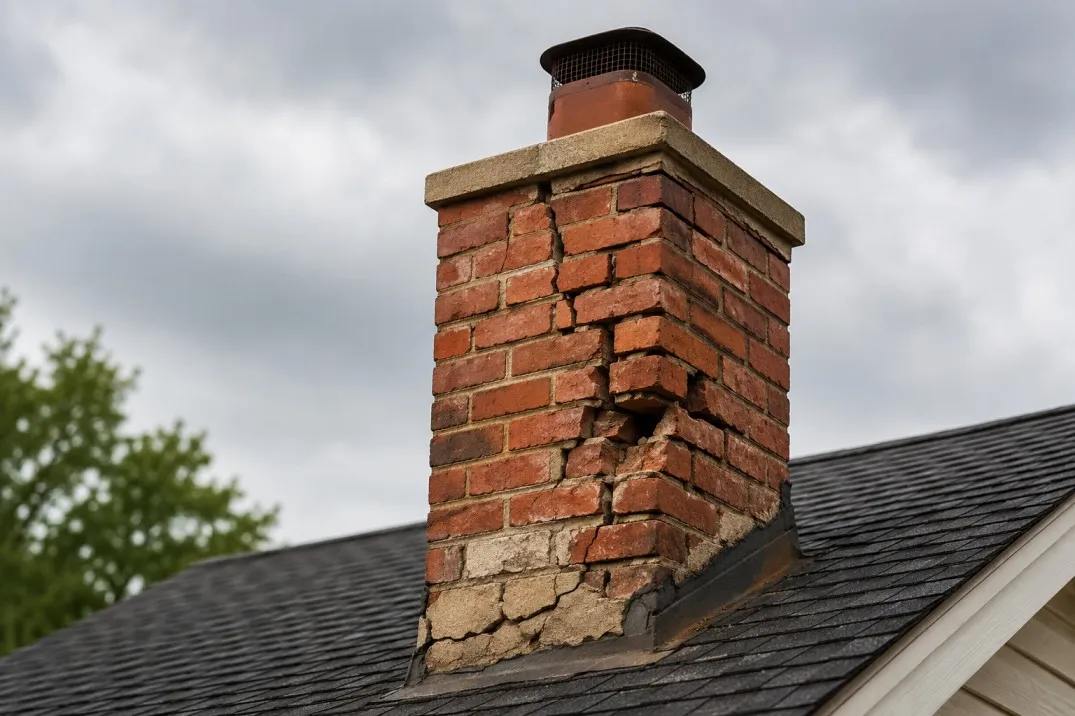
A chimney is one of the most important structures protecting your home from smoke, heat, and weather exposure. While many homeowners focus on the fireplace itself, the condition of the chimney masonry is equally important. Damaged bricks, cracked mortar, and deteriorating materials can affect the safety, appearance, and performance of the entire chimney system.
Over time, exposure to rain, snow, freezing temperatures, and seasonal temperature changes can cause chimney masonry to weaken. Small cracks may seem harmless at first, but they can allow moisture to enter and create more serious structural issues.
For homeowners throughout Greater Boston, Eastern Massachusetts, and Central Massachusetts, recognizing the warning signs of chimney masonry damage can help prevent expensive repairs and protect the home.
Cracked or Damaged Bricks
One of the most visible signs that a chimney needs masonry repair is cracked brickwork. Chimney bricks are constantly exposed to outdoor conditions, and repeated freezing and thawing can cause them to crack over time.
When water enters small cracks and freezes, it expands and puts pressure on the surrounding brick. This process can gradually make cracks larger and weaken the overall structure.
Visible cracks should not be ignored, even if they appear small. Early repairs can help prevent more extensive masonry deterioration.
Crumbling or Missing Mortar Joints
Mortar joints hold chimney bricks together and provide important structural support. Over the years, mortar can break down due to moisture exposure and weather conditions.
When mortar begins to crumble, fall out, or develop gaps, water can easily enter the chimney structure. This can accelerate damage and create instability within the masonry.
Repointing, which involves removing damaged mortar and replacing it with new material, is a common solution for restoring chimney strength and preventing further deterioration.
White Staining on Chimney Bricks
White stains appearing on chimney masonry are known as efflorescence. These marks occur when water moves through brick and mortar, carrying mineral deposits to the surface.
While efflorescence does not always mean severe structural damage, it is a sign that moisture is moving through the chimney system. Continued moisture intrusion can eventually lead to more serious masonry problems.
If white staining appears frequently, it is worth having the chimney inspected to determine the source of the moisture.
Leaning or Tilting Chimney Structure
A chimney that appears to lean or tilt is a serious warning sign that should be addressed quickly. A leaning chimney may indicate significant masonry deterioration, foundation issues, or weakened structural support.
Because chimneys are heavy structures, movement can create safety concerns for the home and surrounding areas.
Homeowners who notice changes in the position or alignment of their chimney should seek professional evaluation before the problem becomes worse.
Water Leaks Around the Fireplace
Water entering the home near the fireplace is often connected to chimney masonry problems. Cracked bricks, damaged mortar, or deteriorated chimney components can allow rainwater to penetrate the structure.
Signs of chimney-related water damage may include:
• Water stains on walls or ceilings
• Damp areas near the fireplace
• Musty odors
• Peeling paint or damaged drywall
• Moisture around the chimney area
Addressing leaks quickly is important because prolonged moisture exposure can damage both the chimney and the interior of the home.
Damaged Chimney Crown or Masonry Cap
The chimney crown helps protect the top of the chimney by directing water away from the masonry. When the crown cracks or deteriorates, water can enter the chimney structure and contribute to brick and mortar damage.
A damaged crown can speed up the deterioration process by allowing repeated moisture exposure from rain and snow.
Regular inspections can identify crown issues early and help prevent larger masonry repairs in the future.
Falling Brick Pieces or Debris
Finding pieces of brick, mortar, or masonry debris near the base of the chimney is a clear sign that deterioration is occurring.
Loose materials can indicate that the chimney structure is breaking down and may require repair. Ignoring falling debris can allow damage to spread throughout the chimney.
Homeowners should pay attention to changes around the chimney exterior and schedule an evaluation if materials begin to break away.
Why Professional Chimney Masonry Repair Matters
Chimney masonry repair involves more than simply replacing damaged bricks. Proper repairs require understanding the cause of the damage, selecting suitable materials, and restoring the structure correctly.
Professional chimney care helps ensure repairs address the underlying issue rather than only covering visible damage. Homeowners can explore available solutions by visiting Our Services to learn more about chimney maintenance and repair options.
Proper masonry repair can improve chimney stability, reduce moisture problems, and extend the lifespan of the entire chimney system.
How Massachusetts Weather Affects Chimney Masonry
Homes throughout Boston, Worcester, Cambridge, Newton, Framingham, and surrounding communities experience weather conditions that can be tough on chimney structures.
Winter temperatures create freeze-thaw cycles that are especially damaging to masonry. Rain and snow can also contribute to moisture absorption, while summer temperature changes can create additional stress on bricks and mortar.
Because of these conditions, regular chimney inspections and preventative maintenance are important for protecting homes throughout Greater Boston and Central Massachusetts.
When Should You Schedule Masonry Repairs?
The best time to repair chimney masonry is before the damage becomes severe. Waiting until bricks begin falling or major leaks appear can lead to more complicated and expensive restoration work.
Homeowners should schedule a chimney inspection if they notice cracks, mortar deterioration, water damage, leaning structures, or other signs of wear.
Early attention helps preserve the chimney, protect the home, and maintain a safe fireplace system for years to come.
Protect Your Chimney With Timely Masonry Repairs
Chimney masonry problems often start with small warning signs that are easy to overlook. Cracked bricks, damaged mortar, water stains, and loose materials can all indicate that repairs are needed.
By identifying these issues early and addressing them with proper repairs, homeowners can prevent larger structural problems and keep their chimney functioning safely.
A well-maintained chimney provides better protection against weather, improves reliability, and helps preserve the value of the home.
Key Takeaways
• Cracked bricks and deteriorating mortar are common signs that chimney masonry needs repair.
• Water stains, white mineral deposits, and moisture problems may indicate hidden masonry damage.
• A leaning chimney or falling brick pieces require immediate professional attention.
• Massachusetts weather conditions can accelerate chimney masonry deterioration.
• Regular inspections help identify problems before they become major repairs.
• Timely masonry repair protects the chimney structure, improves safety, and extends its lifespan.