What to Do When Several Emergency Bills Arrive at Once
By Abdus Salam
58 Views
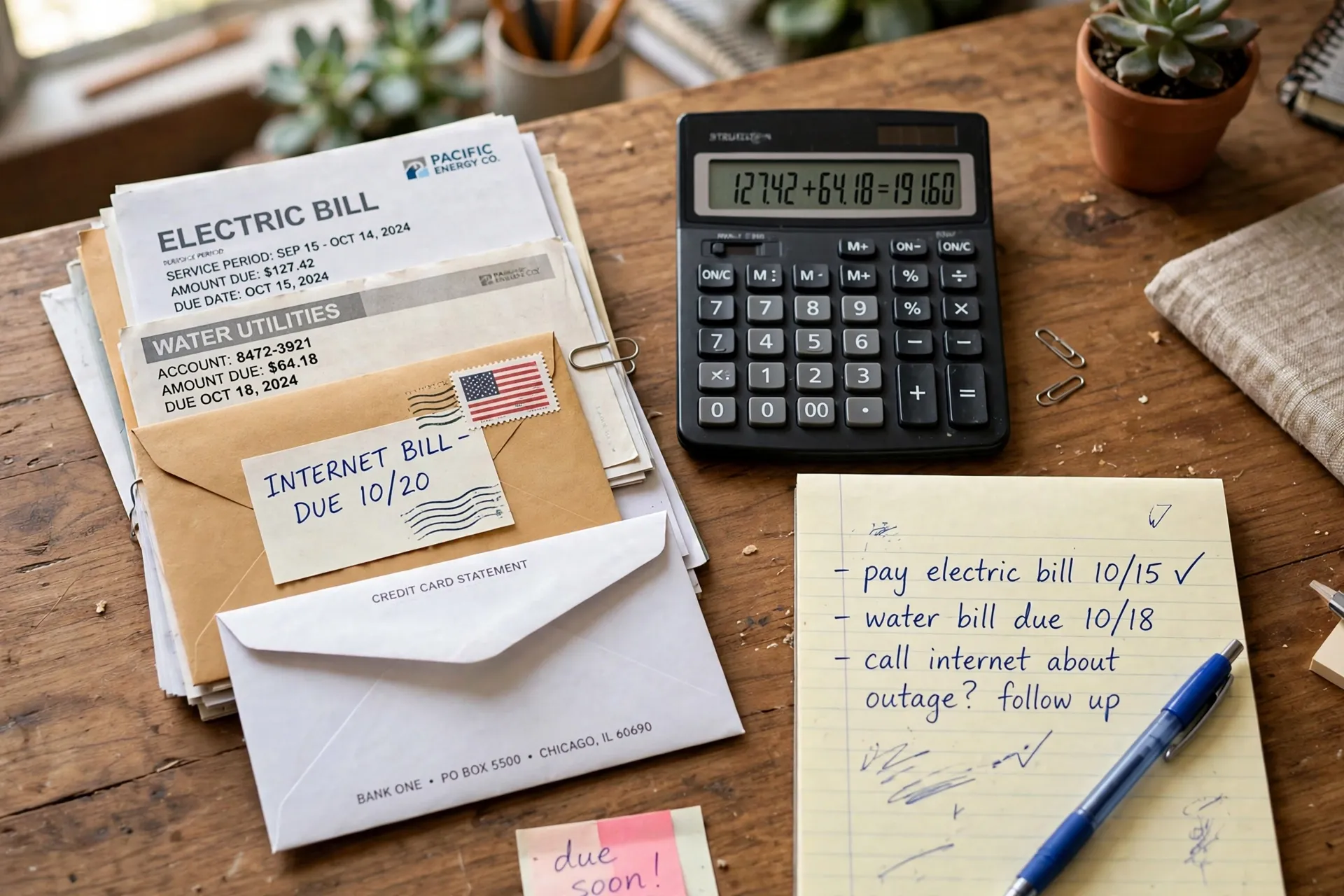
One emergency bill is stressful enough. When several arrive at once — a medical bill, a car repair, and a home repair all in the same week — it can feel like the floor dropped out from under you. The good news: this is a solvable problem, and panicking is the only move that truly makes it worse.
What follows is a practical, step-by-step plan for triaging multiple emergency bills, protecting your credit, and covering the gap without digging a deeper hole.

1. List Every Bill, Its Amount, and Its Deadline
Before you do anything else, get every bill onto one list — paper or spreadsheet, it does not matter. For each one, write down the total amount owed, the due date, and what happens if you pay late. A hospital bill with no interest and flexible terms is a very different animal from a utility bill with a shutoff date or a loan with steep late fees.
This single step turns a vague wave of dread into a concrete set of numbers you can work with. Most people discover the situation is more manageable than it felt.
2. Separate the Truly Urgent From the Flexible
Not every bill punishes lateness equally. Sort your list into three buckets:
- Pay now: anything tied to essential services (electricity, water), secured debts, or court-ordered payments.
- Negotiate: medical bills, which very often accept payment plans with little or no interest.
- Schedule: bills with grace periods or low penalties that can safely wait two to four weeks.
Paying the loudest bill first is a common mistake. Pay the most consequential one first.
3. Call Before You Miss a Payment
Creditors and service providers are far more flexible before a due date passes than after. A five-minute call can often secure a payment extension, a waived late fee, or a hardship plan — but only if you ask early. Be honest, be brief, and ask specifically: "What hardship or payment-plan options do you offer?"
Medical providers in particular routinely offer interest-free plans stretching 12 months or more. You will never get these terms if you simply ignore the bill.
4. Cover the Remaining Gap Without Wrecking Your Finances
After prioritizing and negotiating, you may still face a shortfall that has to be covered now. Start with the cheapest money: any emergency savings, then a 0% introductory-APR credit card if you can pay it off within the promo window.
If those are not available and you own your vehicle outright, some borrowers turn to emergency cash assistance for multiple bills through a title loan, which uses the car's title as collateral to unlock cash quickly — often within a day. This can make sense as a short-term bridge, but go in with eyes open: the vehicle secures the loan, so borrow only what the bills require and repay on the agreed schedule.
Whatever you choose, avoid stacking new high-interest debt on top of old. One structured obligation you can repay beats three chaotic ones you cannot.
5. Stop the Next Pile-Up Before It Starts
Once the immediate crisis passes, build a small buffer — even $25 a week adds up. Automate minimum payments so nothing slips through the cracks again, and keep a running list of which providers offered hardship plans; that knowledge is an asset the next time life surprises you.
Several emergency bills arriving at once feels overwhelming, but it is a logistics problem, not a life sentence. List, prioritize, negotiate, bridge the gap carefully — and you will come out the other side with your credit and your sanity intact.
Related Reading
Why Business & Finance is Transforming the Global Industry Landscape
Welcome to our in-depth exploration of Business & Finance. In an era defined...
Why Business & Finance is Transforming the Global Industry Landscape
Welcome to our in-depth exploration of Business & Finance. In an era defined...